
My Old Dog Is Suddenly Drooling — A Vet Explains Every Cause and What to Do

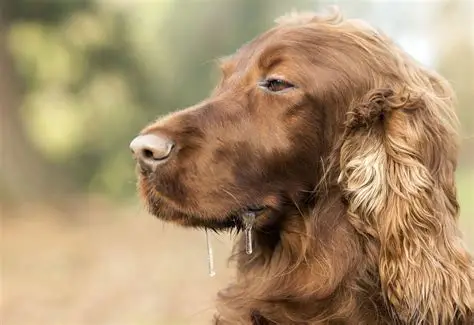
Old dog drooling suddenly? Dr. Waleed DVM explains the hidden causes—from dental disease to toxins—and when you need emergency vet care.
Your dog has never been a drooler. Not the slobbery type, never one to leave a wet patch on the sofa. And then today, out of nowhere, there is a string of saliva hanging from their mouth, or a damp patch where they were lying, or you notice them swallowing repeatedly and licking their lips in a way that looks uncomfortable. It is new. It is strange. And you are not sure whether to worry.
Sudden, excessive drooling in a senior dog who does not normally drool is always worth paying attention to. It does not always mean something serious — there are simple, easily explained causes too — but it is genuinely your dog's body telling you that something has changed, and the cause is rarely random.
In this guide I will walk you through how to recognise when drooling has crossed from normal into concerning, the most likely causes in older dogs specifically, what other signs to look for that point toward a particular cause, when this needs emergency attention, and what a vet visit for excessive drooling typically involves.
Is Some Drooling Normal? Understanding the Baseline
Before anything else, context matters. Some breeds — Saint Bernards, Mastiffs, Newfoundlands, Bloodhounds, and other dogs with large, loose jowls — drool as a simple consequence of their facial anatomy. If your dog has always been this way, this is their normal, and nothing has changed.
It is also entirely normal for any dog to drool briefly in specific situations: the smell of food cooking, anticipation of a treat, excitement, a car ride if they get a little carsick, or brief overheating on a hot day. This kind of drooling is short-lived and resolves once the trigger passes.
What is not normal, and what this guide is about, is a senior dog who does not typically drool suddenly producing noticeably more saliva than usual, especially when there is no obvious trigger like food or excitement, or when it persists rather than passing quickly. This pattern — sometimes called ptyalism in clinical terms — is what deserves real attention.
The Most Common Causes of Sudden Drooling in Senior Dogs
Dental Disease — by far the most common cause in older dogs
Periodontal disease affects the vast majority of dogs by the time they reach their senior years, and it is consistently the leading cause of sudden or excessive drooling that I see in practice. As gum disease progresses, the inflamed and infected tissue becomes increasingly painful and produces excess saliva as the mouth reacts to the irritation. A fractured tooth, an abscess at the root of a tooth, or significant tartar buildup rubbing against the inner lip can all trigger the same response.
The clue: drooling alongside bad breath, reluctance to chew on one side of the mouth, dropping food while eating, pawing at the face, or visible tartar (a tan, brown, or grey crust on the teeth). Some dogs will also show reduced interest in hard kibble or toys they used to chew happily. A full dental examination, often requiring sedation to properly assess under the gumline, is usually needed to find the source.
Nausea — a very common and easily missed cause
Drooling is a classic pre-vomiting sign in dogs. When a dog feels nauseated, the body produces extra saliva partly to protect the throat and teeth from stomach acid in anticipation of vomiting. You will often see this alongside repeated lip licking, frequent swallowing, restlessness, and sometimes a hunched or uncomfortable posture.
In senior dogs, nausea can stem from many sources: kidney disease, liver disease, pancreatitis, motion sickness, dietary indiscretion, or a reaction to medication. If the drooling is accompanied by these nausea signs, particularly if vomiting follows, this points strongly toward a gastrointestinal or systemic cause rather than a dental one.
A Foreign Object or Something Stuck in the Mouth
Despite being seniors, older dogs still explore with their mouths, and a stick fragment, bone splinter, piece of toy, or plant material can become lodged between teeth or embedded in the gums or the back of the throat. This causes a sudden, often dramatic increase in drooling.
The clue: pawing at the face or mouth, gagging or retching, reluctance to eat despite clear interest in food, head shaking, and sometimes visible blood-tinged saliva. If you can gently and safely look inside your dog's mouth and see an object, and your dog will tolerate it, removing it carefully may resolve things immediately. If the object is wedged deep, or your dog will not allow you to look, this needs a vet visit rather than continued attempts at home.
Oral Tumours and Growths
Growths inside the mouth — on the gums, tongue, palate, or inside the cheek — are more common in older dogs and can cause persistent drooling, sometimes blood-tinged, as the mass irritates surrounding tissue or makes normal swallowing and chewing difficult. This is one of the reasons sudden, unexplained drooling in a senior dog should prompt a proper oral examination rather than being assumed to be simple dental tartar.
The clue: drooling alongside a visible lump in the mouth, asymmetrical swelling of the face or jaw, bad breath disproportionate to visible tartar, or reluctance to eat that has developed gradually. Any new growth found in the mouth needs prompt veterinary assessment.
Toxin Exposure
This is one of the more urgent causes on this list. Profuse, sudden drooling is often the first visible sign that a dog has ingested or come into contact with something toxic. Common culprits include chocolate, xylitol (an artificial sweetener found in many sugar-free products, gum, and some peanut butters), certain houseplants and garden plants (lilies and azaleas are particularly dangerous), cleaning chemicals, and in some regions, toxic toads, which cause immediate, profuse drooling along with head shaking and pawing at the mouth after a dog licks or mouths them.
The clue: sudden, profuse drooling with no obvious dental or nausea explanation, especially if you know or suspect your dog had access to something they should not have. This warrants an emergency call, not a wait-and-see approach.
Neurological Conditions
Less common but important to be aware of: drooling can result from problems affecting the nerves controlling the mouth and swallowing, or from facial nerve damage that affects a dog's ability to properly close their mouth or swallow normally. Seizures can also cause drooling, both during the seizure itself and sometimes in the period beforehand.
The clue: drooling combined with an asymmetrical face (one side appearing droopy), difficulty swallowing, uneven pupils, weakness, disorientation, or any signs suggestive of a seizure. These signs together warrant prompt veterinary assessment.
Salivary Gland Problems
The salivary glands themselves can become infected, inflamed, or develop a blockage (called a sialocele) or, less commonly, a tumour. This typically causes localised swelling near the jaw or under the tongue alongside the drooling.
The clue: a visible or palpable swelling near the angle of the jaw or under the chin, sometimes alongside pain when the area is touched.
Anxiety
Stress and anxiety — triggered by vet visits, car rides, thunderstorms, or changes in routine — can cause excessive salivation in some dogs, often alongside other anxiety signs like panting, restlessness, pacing, or diarrhoea. Senior dogs experiencing increased anxiety related to sensory decline or cognitive changes can be more prone to this than they were when younger.
The clue: drooling that reliably occurs in specific anxiety-triggering situations and resolves once the trigger passes, combined with other recognisable anxiety behaviours.
Heat Exhaustion or Heat Stroke
Senior dogs regulate temperature less efficiently than younger dogs, making them more vulnerable to overheating. Excessive drooling combined with heavy panting, lethargy, bright red gums, or collapse after heat exposure can indicate heat stroke, which is a genuine emergency.
When Is Sudden Drooling an Emergency?
Go to an emergency vet immediately if any of the following apply:
You know or strongly suspect your dog has ingested something toxic
Your dog is having trouble breathing, or there is visible facial swelling
Your dog cannot swallow, or seems to be choking
There is significant bleeding from the mouth
Drooling is accompanied by vomiting, lethargy, diarrhoea, or seizure activity
You suspect heat exhaustion or heat stroke — especially after sun exposure or warm weather, combined with heavy panting and weakness
Drooling has continued for more than an hour with no improvement, especially with retching or visible discomfort
Your dog's face looks asymmetrical or droopy on one side, suggesting a possible neurological issue
Call your vet for advice — and likely an appointment in the coming day or two rather than an emergency visit — if:
Your dog is drooling more than usual but is otherwise acting completely normal — eating, drinking, energy level unchanged, no vomiting
You suspect dental disease based on bad breath, tartar, or reluctance to chew
The drooling has a clear, recognisable anxiety trigger and resolves once the trigger passes
How a Vet Investigates Sudden Drooling
Your vet will start with a thorough physical examination, paying particular attention to the mouth, jaw, and neck — checking the teeth and gums, looking for foreign objects, lumps, or asymmetry, feeling along the jaw and under the chin for swelling, and checking neurological signs like pupil symmetry and facial muscle tone.
Oral examination, sometimes under sedation
A full assessment of the teeth, including below the gumline where much dental disease hides, often requires light sedation, particularly in a dog who is uncomfortable having their mouth handled. Dental X-rays may be taken to assess for abscesses or hidden disease at the tooth roots.
Blood tests
If nausea, an underlying illness, or toxin exposure is suspected, blood tests check organ function, including kidney and liver values, and can help identify systemic causes contributing to the drooling.
Imaging
X-rays of the head and neck, or in some cases advanced imaging, may be used if a foreign object, mass, or salivary gland problem is suspected and not clearly visible on physical examination.
What You Can Safely Do at Home While You Decide on Next Steps
Look in the mouth carefully — but only if your dog is comfortable with it
Gently lift the lips and look at the teeth, gums, and as far back as your dog will tolerate. Check for visible objects, redness, swelling, or anything unusual. If your dog resists or shows pain, do not force it — this information itself (pain on examination) is useful to report to your vet.
Do not attempt to remove a deeply lodged object yourself
If you can see something stuck near the front of the mouth and your dog tolerates gentle handling, careful removal with tweezers may help. If it is wedged deep, near the throat, or your dog will not allow access, stop and see a vet — attempting forceful removal risks pushing the object further or causing injury.
Check for known toxins
Think back over the last hour or two: has your dog had access to chocolate, sugar-free gum or peanut butter, houseplants, cleaning products, or anything unusual on a walk? If you suspect any toxin exposure, contact an emergency vet or an animal poison control service immediately rather than waiting to see if symptoms develop further.
Keep your dog cool if heat is a possible factor
If the weather is warm and your dog has been active outdoors, move them to a cool, shaded area, offer small amounts of water, and monitor closely. If drooling is accompanied by heavy panting, weakness, or bright red gums, treat this as an emergency rather than waiting it out.
Note the pattern
Write down when the drooling started, how long it has lasted, whether it is constant or comes and goes, and what else you have noticed — eating habits, energy level, any vomiting, any specific trigger. This information speeds up diagnosis significantly.
A Final Word from Dr. Waleed
I know it is easy to dismiss drooling as a minor, slightly messy inconvenience — especially compared to some of the more dramatic symptoms we worry about with senior dogs. But sudden drooling in a dog who does not normally drool is genuinely one of the more useful early warning signs your dog can give you, and dental disease in particular is so common and so often under-treated in older dogs that this symptom alone has prompted me to find significant, painful problems that owners had no other way of knowing about.
So take it seriously, but do not panic. Look in the mouth. Watch for the accompanying signs. Rule out the urgent causes first. And if in doubt, make the call — a dental check or a simple blood panel is a small price for the peace of mind, and often the relief, that comes with finding and fixing whatever is bothering your dog.
Frequently Asked Questions
My old dog suddenly started drooling a lot and never used to — what is the most likely cause?
In a senior dog who has never been a drooler, dental disease is by far the most common cause. Periodontal disease, an abscessed tooth, or significant tartar buildup irritating the gums can all trigger excess saliva production. Look for accompanying signs like bad breath, reluctance to chew, dropping food, or visible tartar on the teeth. If you see these signs, book a dental check with your vet. If the drooling is sudden, profuse, and not accompanied by any dental signs, also consider nausea or possible toxin exposure, which need to be ruled out as well.
My dog is drooling and also licking their lips and swallowing a lot — does that mean something specific?
Yes — this combination is a classic sign of nausea. Drooling is a pre-vomiting response in dogs; the body produces extra saliva partly to protect the throat and teeth from stomach acid in anticipation of vomiting. If your dog is showing this pattern, watch closely for actual vomiting, reduced appetite, or lethargy. Common causes of nausea in senior dogs include dietary indiscretion, motion sickness, kidney or liver disease, or pancreatitis. If the signs persist or vomiting follows, contact your vet.
How do I know if my dog's drooling is an emergency or something I can monitor?
Go to an emergency vet immediately if you suspect your dog ate something toxic, if there is facial swelling or trouble breathing, if your dog cannot swallow or seems to be choking, if there is significant bleeding from the mouth, or if drooling is accompanied by vomiting, lethargy, or seizure activity. If your dog is drooling more than usual but is otherwise eating, drinking, and behaving completely normally, it is reasonable to call your vet for advice and likely arrange an appointment in the next day or two rather than treating it as an emergency.
Could my senior dog's sudden drooling be a sign of poisoning?
Yes, this is a real possibility worth considering, particularly if the drooling is sudden, profuse, and you cannot identify an obvious dental or nausea-related explanation. Common toxins that cause drooling include chocolate, xylitol (found in sugar-free gum and some peanut butters), certain houseplants like lilies and azaleas, and household cleaning chemicals. If you suspect any possibility of toxin exposure, contact an emergency vet or animal poison control immediately rather than waiting to see if other symptoms develop.
My old dog has a lump on the side of their jaw and is drooling — what could that be?
A visible or palpable swelling near the jaw alongside drooling can indicate a salivary gland problem — an infection, blockage (called a sialocele), or, less commonly, a tumour. It can also be a sign of an abscessed tooth root or an oral tumour. Any new swelling in this area combined with drooling needs a vet examination to identify the cause, which may involve imaging in addition to a physical exam.
Can dental disease really cause this much drooling in an old dog?
Yes, absolutely, and it is one of the most under-recognised causes by owners. Periodontal disease affects the majority of dogs by their senior years, and as gum inflammation and infection progress, the discomfort and irritation trigger excess saliva production. A fractured tooth or an abscess at the root, even one not visibly obvious from the outside, can cause significant drooling. A proper dental examination, often including X-rays under sedation, is usually needed to identify the full extent of the problem, since much of dental disease hides below the gumline.
My senior dog drools every time we go in the car — is that something to worry about?
If this happens specifically and consistently in the car, and resolves once the car ride ends, with your dog otherwise behaving normally at other times, this is most likely either mild motion sickness or anxiety related to car travel — both common and generally manageable rather than concerning. Your vet can discuss options including anti-nausea medication for car rides or strategies to reduce travel anxiety if this is affecting your dog's quality of life or making trips difficult.
What should I do if I see something stuck in my dog's mouth causing the drooling?
If you can clearly see the object near the front of the mouth and your dog tolerates gentle handling, you may be able to carefully remove it with tweezers. However, if the object is wedged deep, near the back of the throat, or your dog will not allow you to examine their mouth, do not attempt forceful removal — this risks pushing the object further in or causing injury. In these cases, see a vet promptly, as sedation is often needed to safely remove an embedded foreign object.
Ask Dr. Waleed
Worried about your senior dog's sudden drooling? Send Dr. Waleed a message — I read every question and answer as many as I can.
Related Posts
🩹 Veterinary Disclaimer
This article is written by Dr. Waleed, DVM for general educational purposes only. It does not constitute a veterinary consultation or diagnosis for your specific pet. Always consult a veterinarian before making health decisions for your dog. If your pet is in distress, contact your vet or emergency animal clinic immediately.
Frequently Asked Questions
My old dog suddenly started drooling a lot and never used to — what is the most likely cause?
My dog is drooling and also licking their lips and swallowing a lot — does that mean something specific?
How do I know if my dog's drooling is an emergency or something I can monitor?
Could my senior dog's sudden drooling be a sign of poisoning?
My old dog has a lump on the side of their jaw and is drooling — what could that be?
Can dental disease really cause this much drooling in an old dog?
My senior dog drools every time we go in the car — is that something to worry about?
What should I do if I see something stuck in my dog's mouth causing the drooling?
Dr. Waleed, DVM
Veterinarian · Grey Muzzle Squad
A veterinarian with a deep focus on companion animal health. Founded this blog to give pet owners access to real, clinical veterinary knowledge ??? without the guesswork.
Read full bio →Comments
Loading comments...
Leave a Comment
More to Read
View All
Why Is My Dog Stiff After Lying Down? Here's What It Really Means
Your dog looks stiff for the first few steps after resting, then walks fine? A vet explains exactly what this pattern means and when to worry

Why Is My Dog Pacing at Night? Dementia, Anxiety & Other Causes
Is your senior dog pacing, panting or confused at night? Learn about canine dementia, anxiety and restlessness.

Why Is My Dog So Itchy? Causes, Treatment & When to See a Vet
Why Is My Old Dog So Itchy All of a Sudden?
Why Is My Dog Drinking So Much Water? Causes & When to Worry
Is your senior dog suddenly drinking a lot of water? A vet explains kidney disease, diabetes, Cushing's and every other cause
Why Is My Dog Breathing Fast While Resting? Causes & What to Do
Is your dog breathing fast while resting? Learn the possible causes, how to check your dog's breathing rate and when it's an emergency.
Dog Arthritis Injections: Every Option Explained and Which Is Safest
Confused about dog arthritis injections? Dr. Waleed explains every option — Librela, Adequan, steroids, PRP — what each one does, which is safest, and how to choose.