
My Old Dog's Eyes Are Getting Cloudy — A Vet Explains What It Really Means

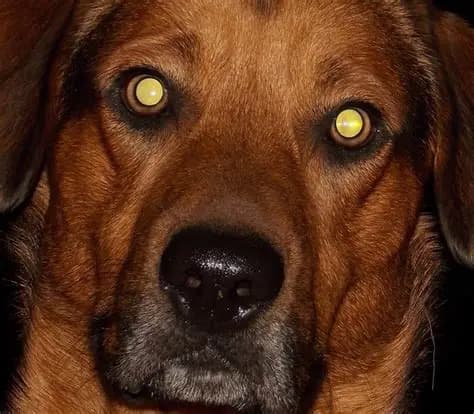
Are your senior dog's eyes going cloudy? Dr. Waleed explains the difference between harmless nuclear sclerosis and cataracts — and the eye signs that need urgent vet care.
You are looking at your dog the way you have a thousand times — and something is different. Their eyes have changed. There is a hazy, bluish-grey cloudiness where the pupil used to be dark and clear. It appeared gradually, over months, and now you cannot un-see it. You find yourself Googling in a quiet moment of worry: is this cataracts? Is my dog going blind?
I want to answer that question properly — because the answer is genuinely more nuanced than most people expect, and getting it right matters for how you respond and what you do next.
The most important thing I can tell you upfront: cloudy eyes in a senior dog do not automatically mean cataracts, and they do not automatically mean your dog is going blind. There are two very distinct conditions that cause cloudiness in older dogs' eyes — one is completely harmless and needs no treatment, and the other can lead to vision loss if left uninvestigated. They can look almost identical from across the room. Only a vet with an ophthalmoscope can reliably tell them apart.
In this guide I will explain both conditions in detail, walk you through every other significant eye problem that affects senior dogs, tell you exactly which signs mean you need a vet urgently, and describe what you can do to help a dog who is losing their vision live comfortably and confidently.
The Most Important Distinction — Nuclear Sclerosis vs Cataracts
This is where I want to spend real time, because confusing these two conditions is one of the most common sources of unnecessary panic — and sometimes unnecessary delay — that I see in owners of older dogs.
Nuclear Sclerosis — the harmless one that affects almost every senior dog
Nuclear sclerosis, also called lenticular sclerosis, is a normal, age-related change to the lens of the eye. It is the medical term for a bluish, transparent haze that develops in the lens of the eye in middle-aged to senior dogs. It is considered a normal change in the lens associated with aging and is observed as a cloudiness or bluish discoloration on the pupil.
Here is the critical fact about nuclear sclerosis: it is a normal, age-related hardening of the eye lens that causes a bluish-gray tint in senior dogs' eyes but does not affect their vision. Light still passes through the lens and reaches the retina normally. Your dog can see.
How common is it? Extremely. Nuclear sclerosis is found in all dogs older than 7 years. By the time a dog reaches 13, essentially every dog will have some degree of it. It is not a disease. It is the eye equivalent of greying fur — a visible sign of age that carries no medical significance on its own.
What it looks like: a soft, evenly distributed, bluish-grey haziness in the centre of the lens, most noticeable when you look directly into your dog's eyes. The cloudiness has a somewhat transparent quality — you can still see depth behind it. It is symmetrical, affecting both eyes at roughly the same pace.
Does it need treatment? No. There is no specific treatment for lenticular sclerosis, and treatment is not necessary. Dogs diagnosed with lenticular sclerosis should be evaluated regularly to monitor for the development of cataracts.
Cataracts — the one that does affect vision
Cataracts are an entirely different process. Rather than the lens simply becoming denser and harder, a cataract occurs when the lens becomes cloudy or opaque, which effectively blocks light from reaching the retina. This causes a loss of eyesight that can range from mild vision problems to blindness.
Cataracts look different from nuclear sclerosis on close inspection: they tend to be whiter and more opaque rather than the bluish-grey translucent haze of nuclear sclerosis. They may affect only part of the lens at first — you might notice an irregular white patch rather than an even, symmetrical cloudiness. But in practice, owners frequently cannot reliably distinguish the two by looking alone.
The definitive way to tell them apart is with an ophthalmoscope — a torch-like instrument your vet uses to shine light through the lens and examine the retina behind it. When the eye is examined with an ophthalmoscope, the retina and fundus can still be seen through the sclerotic lens in nuclear sclerosis. With cataracts, the opacity blocks light and the retina cannot be clearly visualised.
What causes cataracts in senior dogs? Causes include diabetes, malnutrition, radiation, inflammation, and trauma. Diabetes mellitus is particularly significant — dogs with diabetes often develop cataracts due to the effect of abnormal blood sugar on the lens proteins. This is one of the reasons a blood glucose check is often part of a senior dog's eye workup. Hereditary cataracts are also common in certain breeds including Poodles, Bichon Frises, Golden Retrievers, Labrador Retrievers, and Siberian Huskies.
Senile cataracts develop most often in the periphery of the lens cortex and are slow to progress over years. Senile cataracts are very common in dogs older than 10 years, and all dogs older than 13 years are expected to have some degree of cataractous changes.
Other Significant Eye Conditions in Senior Dogs
Glaucoma — the painful one that needs urgent attention
Glaucoma is increased pressure inside the eye caused by impaired drainage of the fluid that normally circulates within the eye. In dogs, it can progress with alarming speed — from first signs to blindness in as little as 24 to 48 hours in acute cases. Increased intraocular pressure is excruciating, and your pet can experience a migraine-level headache.
The signs of glaucoma are important to know: redness of the white of the eye, a visibly enlarged or bulging eyeball, cloudiness of the cornea (the clear front surface of the eye rather than the lens), squinting, pawing at the eye, sensitivity to light, and obvious pain or distress. A dog with glaucoma is in significant pain even if they are not vocalising it.
Glaucoma is a medical emergency. If you see a red, bulging, painful-looking eye in your dog, do not wait for a routine appointment. This needs to be seen today.
Dry Eye (Keratoconjunctivitis Sicca — KCS)
Dry eye develops when the tear glands produce insufficient tears to keep the eye surface lubricated. Without adequate tear film, the cornea dries out, becomes irritated and inflamed, and over time can develop ulcers and scarring that permanently affect vision. Keratoconjunctivitis sicca occurs from low tear production and is generally an immune-mediated disease, meaning a dog's immune system mistakenly attacks eye glands.
The signs: thick, yellowish or greenish discharge from the eye rather than clear watery tears, a dull or hazy-looking cornea, frequent blinking or squinting, and the dog pawing at or rubbing their eyes. Dry eye is painful and progressive — it needs treatment, which is usually a daily eye drop medication to stimulate tear production. Once this condition is managed, most dogs do very well long term.
Corneal Ulcers
The cornea — the clear front surface of the eye — can develop ulcers from trauma, dry eye, infection, or foreign bodies. Ulcers are painful, they can progress rapidly, and in severe cases they can perforate the eye. Any dog who is squinting, has a visibly cloudy cornea (cloudiness of the front surface of the eye rather than deep within the lens), is pawing at their eye, or has significant eye discharge needs to be seen by a vet promptly.
Progressive Retinal Atrophy (PRA)
PRA is a hereditary degenerative condition affecting the retina — the light-sensitive layer at the back of the eye. Unlike cataracts and nuclear sclerosis, it causes no visible cloudiness. PRA causes progressive blindness, and no cure is available. Rods are typically affected first, causing night blindness, which pet owners may not recognise. Only when cones start to degenerate, and daytime vision declines do pet owners notice a problem.
The clue: a dog who becomes noticeably uncertain in dim light or at night before showing any difficulty in daylight, and whose eyes show no obvious cloudiness on examination. PRA is diagnosed with a specialised eye examination and electroretinogram. Certain breeds — Labrador Retrievers, Cocker Spaniels, Irish Setters, and others — have a higher genetic predisposition.
Anterior Uveitis
Uveitis is inflammation of the internal structures of the eye. It can be caused by infection, immune-mediated disease, trauma, or as a secondary complication of cataracts. Signs include redness, squinting, a visibly smaller or irregular pupil, sensitivity to light, and cloudiness within the eye. Uveitis is painful and can lead to glaucoma and cataracts if untreated — it needs prompt veterinary assessment and treatment.
Signs That Your Senior Dog May Be Losing Their Vision
Because dogs compensate so well for gradual vision loss using their senses of smell and hearing, owners often do not realise their dog's vision has deteriorated significantly until it is quite advanced. Here is what to watch for:
Bumping into furniture or doorframes
This is usually the first thing owners notice. The dog misjudges distances, walks into table legs or doorframes, or appears confused by the layout of a room they have navigated confidently for years. This is particularly noticeable in unfamiliar environments where the dog cannot rely on memory of the layout.
Reluctance to go out at night or in low light
Difficulty in dim conditions — hesitating at the top of stairs after dark, reluctant to go into the garden at night, suddenly unsure on a walk when the light fades — can indicate early vision loss, particularly the rod-mediated night vision that is often the first to be affected.
Startling easily when approached
A dog who is not seeing well may startle at touch or movement they did not anticipate, particularly if approached from the side or from behind. This can sometimes be misread as grumpiness or anxiety when the real cause is not seeing someone coming.
Becoming clingy or anxious in new places
A visually impaired dog navigates familiar spaces using memory and smell and may seem perfectly normal at home, but becomes significantly more anxious or hesitant in new environments where those compensatory strategies cannot work as well.
Not catching treats or toys they used to catch easily
The most common thing heard from owners of dogs with nuclear sclerosis or early cataracts is "my dog doesn't catch or easily see treats anymore." Missing treats thrown or tossed toward them can be an early sign of reduced visual acuity even before the dog is bumping into objects.
Can Cataracts Be Treated? What Are the Options?
Cataract surgery in dogs is an established and successful procedure. The success rate of cataract surgery is quite high, with greater than 95% of cases undergoing a successful procedure and having improved vision following surgery. The procedure involves removing the clouded lens using ultrasound energy and implanting an artificial lens — similar in principle to cataract surgery in people.
However, not every dog with cataracts is a surgical candidate, and not every cataract needs immediate surgery. The ideal time to perform cataract surgery is prior to the cataract becoming mature, as more advanced cataracts are more likely to cause lens-induced intraocular inflammation, lens instability, and loss of lens capsule integrity. These complications may preclude surgery from being performed and may lead to a poorer prognosis for vision following surgery.
Your vet will consider your dog's overall health and anaesthetic risk, whether the retina is functioning adequately, whether both eyes are affected, and how significantly the cataracts are affecting daily life. In dogs where surgery is not performed or not appropriate, anti-inflammatory drops to try to prevent cataract-associated ocular disease, and regular checks for glaucoma every four to six months are recommended.
For nuclear sclerosis, glaucoma, dry eye, and PRA — the other major eye conditions in senior dogs — there is no cataract surgery involved. Each requires its own specific management, from daily eye drops for dry eye, to pressure-lowering medication for glaucoma.
How to Help a Senior Dog Who Is Going Blind
Dogs adapt to vision loss remarkably well — far better than most owners expect. Their sense of smell and hearing are so powerful that a dog who has gradually lost their sight in a familiar environment often continues to navigate it with impressive confidence. Here is how to support them through that adaptation.
Keep the furniture where it is
A visually impaired dog builds a mental map of their home environment — where the sofa is, where the water bowl is, where the steps are. Moving furniture unexpectedly removes that map. Keep the layout of the home as consistent as possible. If you need to rearrange, do it gradually and let your dog re-learn the space by leading them through it.
Use scent and sound as guides
Place a scented diffuser or a spritz of a distinctive pet-safe scent near the water bowl, bed, and the door to the garden. These scent markers help a visually impaired dog orient themselves in their space. Wind chimes or a small sound marker near the garden door can also help them navigate outside.
Baby-gate the stairs and pool
Falls are the primary safety risk for visually impaired dogs. Gate the top of any staircase, close off access to swimming pools, and remove or pad sharp furniture corners. This is especially important in the early adjustment period before your dog has fully re-mapped the space.
Keep walks on familiar routes and use a long lead
Walks on familiar paths allow a visually impaired dog to use memory and scent to navigate confidently. New environments are more challenging — keep the lead on and walk slightly ahead so your dog can follow your movement and scent. Some owners find a gentle harness with a handle useful for guiding their dog safely over kerbs and uneven ground.
Warn before touching
Always speak to your dog before approaching or touching them so they are not startled. Ask visitors, particularly children, to do the same. A gentle "hello" or calling their name before you reach for them gives them time to orient toward you before contact.
A Final Word from Dr. Waleed
I want to give you two things to take away from this guide. First, if you have noticed cloudy eyes in your senior dog and they are otherwise well, there is a reasonable chance it is nuclear sclerosis — the age-related change that affects almost every older dog and does not affect their vision or quality of life. That is good news, and you should feel reassured by it.
Second — and equally important — you cannot tell nuclear sclerosis from cataracts, or either of those from glaucoma, dry eye, or a corneal ulcer, by looking at your dog's eyes at home. Some of these conditions are entirely harmless. Others are painful, urgent, and will get significantly worse without treatment. The right response to any new or changing eye appearance in a senior dog is a vet visit to find out which you are dealing with.
The examination takes minutes. The peace of mind — or the early diagnosis — is always worth it. And if it turns out your dog simply has the eye equivalent of greying fur, you will leave the clinic knowing exactly that, and with one less thing to worry about.
Frequently Asked Questions
My old dog's eyes are getting cloudy — does that mean they have cataracts?
Not necessarily, and this is one of the most important distinctions to understand. The cloudiness you are seeing is far more likely to be nuclear sclerosis — a normal, age-related hardening of the lens that affects almost every dog over seven years old and does not affect vision — than cataracts. However, cataracts can look very similar from a distance. The only reliable way to distinguish them is with a veterinary examination using an ophthalmoscope. Both are worth checking — not because nuclear sclerosis is dangerous, but because identifying cataracts early gives the best surgical options if treatment is ever needed.
How do I tell the difference between cataracts and normal aging in my dog's eyes?
Nuclear sclerosis typically appears as a soft, even, bluish-grey haziness in the centre of both lenses — somewhat translucent, affecting both eyes symmetrically. Cataracts tend to be whiter and more opaque, may affect only part of the lens at first, and can sometimes affect only one eye. Dogs with nuclear sclerosis can still see normally. Dogs with cataracts may bump into things, miss treats they used to catch, or become hesitant in dim light. But these are guidelines, not rules — the definitive test is your vet shining a light through the lens to see the retina behind it.
My old dog seems to be bumping into things — could their eyesight be failing?
Yes, and this is one of the most reliable signs that vision loss is affecting daily function. Dogs compensate remarkably well for gradual vision loss using smell and hearing, which is why owners often do not notice a problem until it is quite advanced. Bumping into furniture, particularly in dim light or in unfamiliar environments, missing tossed treats, startling easily when approached, or becoming suddenly anxious in new places are all signs worth taking seriously. Book a veterinary eye examination — finding the cause early gives the most options for management.
Can cloudy eyes in dogs be painful?
It depends on the cause. Nuclear sclerosis is not painful. Mature cataracts can cause secondary inflammation inside the eye — called lens-induced uveitis — which is painful. Glaucoma, corneal ulcers, dry eye, and anterior uveitis are all painful eye conditions. Signs of eye pain in dogs include squinting or holding the eye partially closed, pawing or rubbing at the eye, redness, sensitivity to light, and a dull or sunken appearance to the eye. Any dog showing these signs needs a same-day vet appointment, not a wait-and-see approach.
Is cataract surgery an option for senior dogs and is it safe?
Yes, cataract surgery is available for dogs and has a high success rate — over 95% of appropriate candidates undergo a successful procedure and have improved vision afterwards. Senior dogs are not automatically excluded by age — what matters is their overall health, anaesthetic fitness, and the health of the retina behind the cataract. The best outcomes occur when surgery is done before the cataract matures completely. Your vet will refer you to a veterinary ophthalmologist for assessment if surgery is a possibility. In dogs where surgery is not appropriate, ongoing monitoring and anti-inflammatory eye drops can help manage complications.
What is glaucoma in dogs and how serious is it?
Glaucoma is increased pressure inside the eye caused by impaired drainage of internal eye fluid. It is extremely painful and can cause blindness within 24 to 48 hours in acute cases. Signs include redness of the white of the eye, a bulging or enlarged eye, cloudiness of the front surface of the eye, squinting, pawing at the eye, and obvious distress. Glaucoma is a genuine emergency — a dog showing these signs needs to be seen by a vet today, not at the next convenient appointment. With prompt treatment, pressure can often be controlled and vision preserved for longer.
My senior dog's eyes look red and are producing a lot of discharge — what is wrong?
Significant redness and discharge are not normal aging changes. Possible causes include conjunctivitis, dry eye, a corneal ulcer, uveitis, or glaucoma — several of which are painful and all of which benefit from early treatment. Dry eye in particular produces a characteristic thick, yellowish-green discharge and causes significant discomfort. Do not dismiss redness and discharge in an older dog as "just gunky eyes." A vet examination will identify the cause, which in most cases is straightforwardly treated once diagnosed.
How can I help my senior dog who is going blind at home?
Dogs adapt to vision loss far better than most owners fear. Keep the furniture layout consistent so your dog can use their mental map of the home. Place scent markers near the water bowl, bed, and garden door to help them orient. Baby-gate the top of any staircase and block access to pools. Always speak before approaching so you do not startle them. Stick to familiar walk routes. Keep them on a lead in new environments. And remind visitors, especially children, to announce themselves before touching. With these adjustments, most dogs who are losing their sight continue to live comfortable, happy, and confident lives.
Ask Dr. Waleed
Worried about your senior dog's eyes or vision? Send Dr. Waleed a message — I read every question and answer as many as I can.
Related Posts
🩹 Veterinary Disclaimer
This article is written by Dr. Waleed, DVM for general educational purposes only. It does not constitute a veterinary consultation or diagnosis for your specific pet. Always consult a veterinarian before making health decisions for your dog. If your pet is in distress, contact your vet or emergency animal clinic immediately.
Frequently Asked Questions
My old dog's eyes are getting cloudy — does that mean they have cataracts?
How do I tell the difference between cataracts and normal aging in my dog's eyes?
My old dog seems to be bumping into things — could their eyesight be failing?
Can cloudy eyes in dogs be painful?
Is cataract surgery an option for senior dogs and is it safe?
What is glaucoma in dogs and how serious is it?
My senior dog's eyes look red and are producing a lot of discharge — what is wrong?
How can I help my senior dog who is going blind at home?
Dr. Waleed, DVM
Veterinarian · Grey Muzzle Squad
A veterinarian with a deep focus on companion animal health. Founded this blog to give pet owners access to real, clinical veterinary knowledge ??? without the guesswork.
Read full bio →Comments
Loading comments...
Leave a Comment
More to Read
View All
Why Is My Dog Stiff After Lying Down? Here's What It Really Means
Your dog looks stiff for the first few steps after resting, then walks fine? A vet explains exactly what this pattern means and when to worry
Why Is My Dog Pacing at Night? Dementia, Anxiety & Other Causes
Is your senior dog pacing, panting or confused at night? Learn about canine dementia, anxiety and restlessness.

Why Is My Dog So Itchy? Causes, Treatment & When to See a Vet
Why Is My Old Dog So Itchy All of a Sudden?
Why Is My Dog Drinking So Much Water? Causes & When to Worry
Is your senior dog suddenly drinking a lot of water? A vet explains kidney disease, diabetes, Cushing's and every other cause
Why Is My Dog Breathing Fast While Resting? Causes & What to Do
Is your dog breathing fast while resting? Learn the possible causes, how to check your dog's breathing rate and when it's an emergency.
Dog Arthritis Injections: Every Option Explained and Which Is Safest
Confused about dog arthritis injections? Dr. Waleed explains every option — Librela, Adequan, steroids, PRP — what each one does, which is safest, and how to choose.