
Senior Dog Dental Disease: What That Bad Breath Is Really Telling You

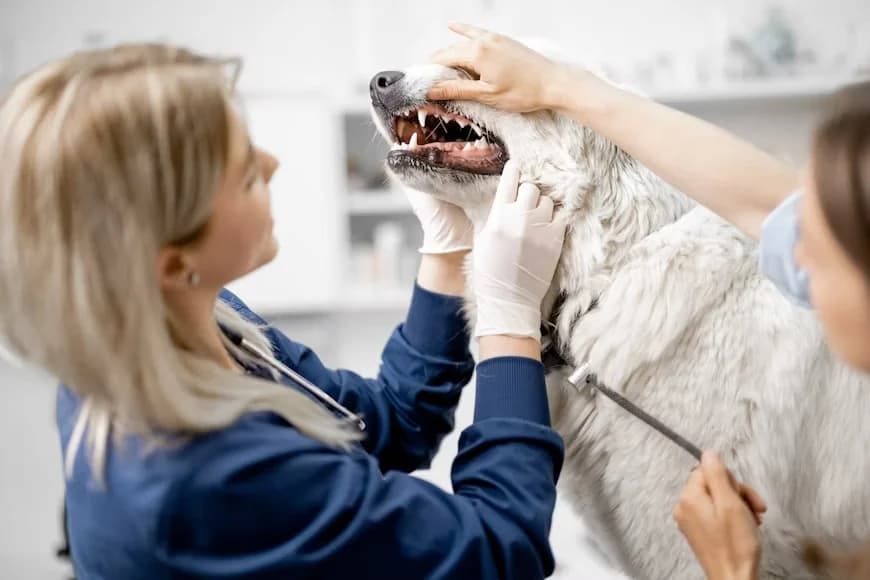
Veterinarian Dr. Waleed explains why bad breath in senior dogs is never normal, the signs of dental disease owners miss, whether anaesthesia is safe, and what to do at home.
You lean in to give your senior dog a cuddle and something stops you. A smell — not just "dog breath" but something worse. Something that makes you pull back slightly and wonder when that started.
Most owners assume bad breath in an old dog is just part of getting older. It is not. It is almost always a sign that something painful is happening inside your dog's mouth — something that has likely been quietly worsening for months or even years before you noticed the smell.
As a veterinarian, dental disease is one of the conditions I see most frequently in senior dogs — and one of the most undertreated, because owners do not realise how much it is affecting their dog's daily comfort and long-term health.
This guide covers everything you need to know: what dental disease actually is, the signs that your senior dog's mouth needs attention, why it matters far beyond just the teeth, and what you can do about it at any age.
How Common Is Dental Disease in Senior Dogs?
The numbers are striking. By the age of three, around 85% of dogs already have some form of periodontal disease. By the time a dog reaches senior years — typically seven and above — virtually every dog has some degree of dental disease unless they have received consistent dental care throughout their life.
Small breeds are disproportionately affected. Their teeth are crowded into smaller jaws, creating more surfaces for plaque to accumulate and fewer opportunities for natural cleaning through chewing. Breeds like Chihuahuas, Yorkshire Terriers, Shih Tzus, and Maltese dogs often have severe dental disease by middle age.
Despite how common it is, dental disease remains one of the most overlooked sources of chronic pain in senior dogs. Dogs do not stop eating when their teeth hurt — they adapt, they compensate, they endure. By the time most owners notice something is wrong, the disease has usually been present and painful for a long time.
What Is Dental Disease in Dogs — And How Does It Progress?
Understanding how dental disease develops helps you intervene at the right time.
Stage 1 — Plaque and Early Gingivitis
It starts with plaque — a sticky film of bacteria that forms on the tooth surface within hours of eating. Within just 24 hours, minerals in saliva begin hardening plaque into tartar (also called calculus), a rough yellowish deposit that cannot be removed by brushing at home once it has formed.
The bacteria in plaque irritate the gum tissue directly adjacent to the teeth, causing gingivitis — redness, mild swelling, and inflammation of the gums. At this stage, the damage is reversible with professional cleaning.
Stage 2 — Periodontitis Begins
If gingivitis is not treated, bacteria progress below the gumline — the critical point of no return. Below the gumline, bacterial waste products including hydrogen sulphide, ammonia, and acids begin destroying the periodontal ligament that anchors teeth to bone. The body's own inflammatory response adds to the damage.
This is periodontitis — infection that affects not just the gums but the bone supporting the teeth. It is painful, progressive, and causes permanent structural damage.
Stage 3 — Advanced Periodontal Disease
In advanced disease, significant bone loss has occurred around multiple teeth. Teeth become loose and may fall out. Tooth root abscesses — pockets of infection at the root tip — develop and can cause visible swelling on the face. The dog is now living with significant, constant oral pain.
At this stage, many teeth require extraction. This sounds alarming to owners, but dogs adapt remarkably well to having teeth removed — often eating better after extractions than before, because the pain that was suppressing their appetite is finally gone.
Why Dental Disease Is More Than Just a Mouth Problem
This is the part most owners do not know — and it changes how seriously you take dental disease in your senior dog.
When bacteria accumulate below the gumline, they enter the bloodstream in a process called bacteraemia. Research shows that oral bacteria circulating in the blood can cause damage to the kidneys, liver, and heart.
Heart disease — bacterial endocarditis, an infection of the heart valves, is linked to severe periodontal disease in dogs. The same bacteria found in infected mouths have been identified in heart valve lesions.
Kidney damage — the kidneys filter blood constantly, making them vulnerable to bacterial damage from chronic oral infection. In senior dogs already managing early kidney disease, untreated dental disease can accelerate decline.
Liver involvement — the liver also bears the burden of filtering bacteria entering from the mouth, and chronic low-grade bacteraemia contributes to hepatic stress over time.
In short: leaving your senior dog's dental disease untreated is not just leaving them in pain — it is allowing a systemic infection to quietly damage their vital organs. This is why veterinary dental care is not cosmetic. It is medical.
Signs of Dental Disease in Senior Dogs
Because dogs compensate so well for oral pain, the signs are easy to miss or misattribute to aging. Here is what to look for:
Bad Breath That Is Worse Than Normal
Every dog has some breath odour. But the smell of dental disease is distinctive — a rotten, sulphurous, or deeply unpleasant odour that comes from bacterial waste products and decaying tissue below the gumline. If your dog's breath has changed or consistently makes you recoil, it is not normal and needs investigation.
Yellow, Brown, or Grey Deposits on the Teeth
Tartar appears as hard, discoloured deposits on the tooth surface — most visibly on the upper back teeth and the outer surfaces of the canine teeth. Heavy tartar buildup is a reliable sign of significant underlying gum disease.
Red, Swollen, or Bleeding Gums
Healthy dog gums are pink and firm with no bleeding. Gums that look red along the gumline, appear swollen, or bleed when you touch them indicate active gingivitis or periodontitis that needs treatment.
Dropping Food or Chewing on One Side
A dog that suddenly drops food while eating, chews cautiously, tilts their head to one side while eating, or prefers soft food over kibble they previously enjoyed is very likely experiencing oral pain. This is often the first functional sign owners notice.
Pawing at the Face or Mouth
Dogs who repeatedly paw at their mouth, rub their face along the floor or furniture, or shake their head frequently may be responding to oral discomfort or a tooth root abscess.
Swelling Below the Eye
A visible swelling or discharge below or just in front of the eye on either side of the face is a classic sign of a tooth root abscess — specifically of the upper carnassial tooth, whose root sits directly below the eye. This needs urgent veterinary attention.
Loose or Missing Teeth
Adult dog teeth should not be loose. A loose tooth in a senior dog means the bone and ligament supporting it have been destroyed by disease. Missing teeth — especially if you did not see them fall out — may indicate teeth that have been lost to advanced periodontal disease.
Reduced Appetite or Weight Loss
A senior dog who has gradually lost interest in food, eats more slowly than they used to, or has lost weight may be eating less because eating hurts. This is one of the subtlest and most commonly missed signs of dental pain in older dogs.
Is Anaesthesia Safe for Senior Dogs With Dental Disease?
This is the question I am asked most often, and the fear of anaesthesia is the single most common reason owners delay their senior dog's dental treatment.
Here is the honest veterinary answer: age alone does not determine anaesthetic risk. Overall health does.
With pre-anaesthetic blood work, chest X-rays, tailored anaesthetic protocols using modern agents, and careful monitoring throughout the procedure, anaesthetic complication rates in senior dogs are well under 2% — and in many cases, the health risk of leaving severe dental disease untreated is significantly greater than the anaesthetic risk of treating it.
A dog living with a mouth full of infected, painful teeth is experiencing chronic systemic inflammation, constant pain, and ongoing organ stress every single day. One carefully managed anaesthetic procedure to address that disease is almost always the right choice.
Discuss your specific dog's health profile with your vet before making this decision. Ask about pre-anaesthetic screening, what monitoring will be in place, and what the anaesthetic protocol will involve. A good veterinary practice will welcome these questions.
What Does Professional Dental Treatment Involve?
A proper veterinary dental procedure under anaesthesia includes:
Full oral examination — assessing every tooth and the surrounding gum tissue for pocketing, mobility, and disease.
Dental X-rays — the majority of dental disease occurs below the gumline, invisible to the naked eye. Dental radiographs are essential for identifying bone loss, root abscesses, and retained roots. No dental procedure is complete without them.
Scaling — removal of tartar and plaque above and below the gumline using ultrasonic scalers. This is the part that requires anaesthesia — it is impossible to clean below the gumline in a conscious dog safely or effectively.
Polishing — smoothing the tooth surface after scaling to reduce future plaque adhesion.
Extractions — teeth with severe bone loss, root abscesses, or significant mobility are extracted. This sounds alarming but is almost always the right decision — a painful, infected tooth causing constant misery is not worth preserving.
What You Can Do at Home
Home care cannot replace professional treatment, but it can significantly slow the progression of dental disease between cleanings.
Tooth Brushing — The Gold Standard
Daily brushing with a dog-specific toothpaste is the single most effective home dental care measure. It must be daily — research shows that brushing every other day produces meaningful plaque reduction, but weekly brushing shows no significant benefit over not brushing at all.
Use a soft-bristled toothbrush or finger brush and a veterinary toothpaste — never human toothpaste, which contains xylitol and fluoride that are toxic to dogs. Focus on the outer surfaces of the upper back teeth, where tartar accumulates fastest.
If your senior dog has never had their teeth brushed, introduce it slowly — start by letting them lick the toothpaste, then gradually introduce the brush over several weeks.
Dental Chews and Treats
Look for the VOHC seal — the Veterinary Oral Health Council. Products carrying this seal have been independently tested and proven to reduce plaque or tartar. Without this seal, dental claims are marketing, not evidence. VOHC-approved options include specific Greenies varieties and Virbac C.E.T. chews.
Dental Diets
Prescription dental diets like Hill's Prescription Diet t/d are formulated with a specific kibble texture and size that mechanically scrubs the tooth surface as the dog chews. They carry the VOHC seal and are a practical option for dogs who will not tolerate brushing.
Water Additives
VOHC-accepted water additives like HealthyMouth can be added to your dog's drinking water and provide some antibacterial benefit. They are not as effective as brushing but are easy to use and better than nothing for dogs who resist all other forms of dental care.
Dental Wipes
For senior dogs who absolutely refuse a toothbrush, dental wipes can clean the tooth surface to some degree — less effective than brushing but more accessible for some dogs and owners.
A Final Word from Dr. Waleed
Dental disease is the most common thing I see in senior dogs — and one of the most heartbreaking, because by the time most owners bring their dog in, the disease has been silently painful for a long time.
Your dog cannot tell you their mouth hurts. They will keep eating, keep greeting you at the door, keep living their life — all while managing a level of oral pain that would send most of us straight to the dentist.
The kindest thing you can do for your senior dog's dental health is act before the smell becomes undeniable. Book an oral examination if your dog has not had one this year. Ask about professional cleaning. Start home care today, even if it is imperfect.
A healthy mouth is not a luxury. For a senior dog, it is one of the most direct contributions you can make to their comfort, their organ health, and their quality of life.
Have a Question for Dr. Waleed?
Worried about your senior dog's teeth or breath and not sure where to start? Send me your question on the Ask Dr. Waleed page. I read every message personally and will help guide you on the right next step.
Related Posts You May Find Helpful
🩹 Veterinary Disclaimer
This article is written by Dr. Waleed, DVM for general educational purposes only. It does not constitute a veterinary consultation or diagnosis for your specific pet. Always consult a veterinarian before making health decisions for your dog. If your pet is in distress, contact your vet or emergency animal clinic immediately.
Frequently Asked Questions
My old dog has really bad breath — is that normal?
My senior dog is dropping food while eating — could it be their teeth?
Is it safe to put my old dog under anaesthesia for a dental clean?
My dog has a swelling under their eye — what does that mean?
Can I clean my dog's teeth at home without going to the vet?
What toothpaste can I use on my senior dog?
Dr. Waleed, DVM
Veterinarian · Grey Muzzle Squad
A veterinarian with a deep focus on companion animal health. Founded this blog to give pet owners access to real, clinical veterinary knowledge ??? without the guesswork.
Read full bio →Comments
Loading comments...
Leave a Comment
More to Read
View All
Why Is My Dog Stiff After Lying Down? Here's What It Really Means
Your dog looks stiff for the first few steps after resting, then walks fine? A vet explains exactly what this pattern means and when to worry

Why Is My Dog Pacing at Night? Dementia, Anxiety & Other Causes
Is your senior dog pacing, panting or confused at night? Learn about canine dementia, anxiety and restlessness.
Why Is My Dog So Itchy? Causes, Treatment & When to See a Vet
Why Is My Old Dog So Itchy All of a Sudden?
Why Is My Dog Drinking So Much Water? Causes & When to Worry
Is your senior dog suddenly drinking a lot of water? A vet explains kidney disease, diabetes, Cushing's and every other cause
Why Is My Dog Breathing Fast While Resting? Causes & What to Do
Is your dog breathing fast while resting? Learn the possible causes, how to check your dog's breathing rate and when it's an emergency.
Dog Arthritis Injections: Every Option Explained and Which Is Safest
Confused about dog arthritis injections? Dr. Waleed explains every option — Librela, Adequan, steroids, PRP — what each one does, which is safest, and how to choose.