
My Senior Dog Keeps Throwing Up — A Vet Explains What the Vomit Is Telling You

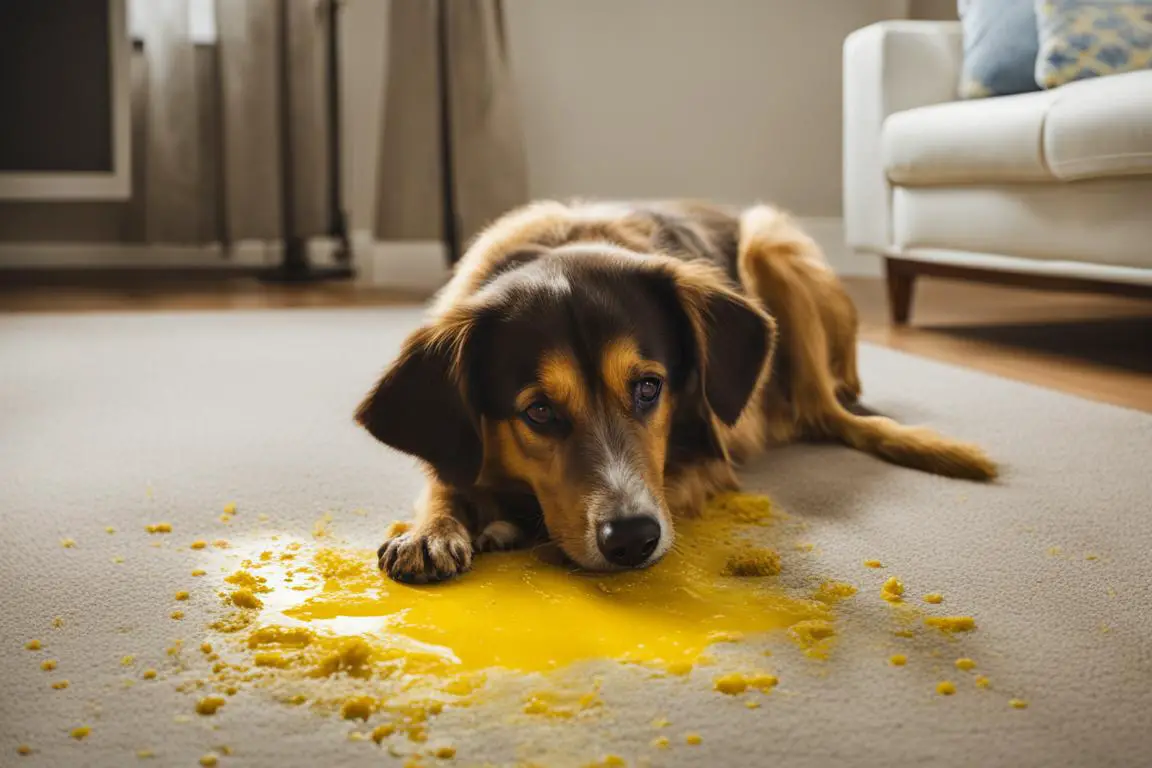
Is your old dog throwing up? Dr. Waleed explains what bile, blood, and undigested food in vomit actually mean — plus the warning signs that need a vet today.
You hear it before you see it — that unmistakable retching sound from the next room. You find your dog standing over a small pool of vomit, looking a little sheepish, maybe licking their lips. They seem fine otherwise. Should you worry? Should you call the vet, or just keep an eye on things?
This is one of the questions I get asked more than almost any other, and the honest answer is: it depends. Vomiting in a senior dog can mean almost nothing — a single episode after eating too fast, completely forgotten by dinner time. Or it can be the first visible sign of something that needs attention quickly. The skill is in knowing which is which.
In this guide I will walk you through how to tell vomiting apart from regurgitation, what the colour and appearance of the vomit can tell you, the most common causes in senior dogs specifically, the clear warning signs that mean this is not something to wait out, and what you can safely do at home while you decide your next step.
Vomiting or Regurgitation? This Distinction Matters More Than You Think
Before anything else, I need you to understand this difference, because it genuinely changes what we are dealing with.
Vomiting is an active process. You will see your dog's abdominal muscles contracting, heaving, retching — real effort involved. It is usually preceded by drooling, lip licking, or restlessness. The material that comes up has often been partially digested and may contain bile (yellow fluid) or be mixed with stomach acid.
Regurgitation is passive. There is no retching, no abdominal effort, no warning signs beforehand. Food simply comes back up, often in a tube-like or cylindrical shape, usually within minutes of eating, and it looks undigested — essentially the same shape and texture as when it was swallowed. Regurgitation happens because food did not make it past the oesophagus into the stomach at all.
Why this matters: regurgitation points toward problems with the oesophagus — conditions like megaesophagus, where the oesophagus becomes abnormally dilated and loses its ability to move food down properly, or eating too quickly and swallowing air along with food. Vomiting points toward the stomach, intestines, pancreas, kidneys, liver, or a wider systemic illness. These are genuinely different diagnostic pathways, and watching carefully which one is happening — was there retching, did it happen right after eating, what shape was the material — gives your vet enormously useful information.
What the Vomit Itself Is Telling You
I know this is not pleasant to think about, but the appearance of vomit carries real diagnostic information. Before you clean it up, take a careful look.
Yellow, frothy fluid (bile)
This typically means your dog's stomach was empty when they vomited. Bile is released by the liver into the small intestine, and if the stomach has been empty for an extended period — often overnight — bile can reflux upward and irritate the stomach lining, triggering vomiting. This is sometimes called bilious vomiting syndrome and is common in dogs who eat once a day with a long overnight gap. Feeding a small snack before bed often resolves this completely.
White foam
White, foamy vomit usually also indicates an empty stomach, and can result from acid irritation, mild indigestion, or in some cases early kennel cough. If it happens occasionally and your dog is otherwise well, it is usually not a major concern. If it happens repeatedly within a 24-hour period, or becomes a regular pattern, it needs a vet visit.
Undigested food
If the food looks essentially unchanged — recognisable kibble shapes, or the cylindrical shape suggesting regurgitation rather than vomiting — and this happens shortly after eating, consider whether your dog ate too quickly. Using a slow-feeder bowl, or placing a large ball in the food dish to force slower eating, often resolves this simple cause.
Partially digested food
This typically means actual vomiting from the stomach, usually a few hours after the meal. This is the broadest category and can result from anything affecting the digestive system — dietary indiscretion, mild gastritis, or something more significant.
Blood (fresh red or dark like coffee grounds)
This is always a reason to contact your vet promptly. Fresh red blood suggests bleeding in the upper digestive tract or oesophagus. Material that looks like coffee grounds indicates blood that has been partially digested by stomach acid — also a sign of bleeding, just from slightly longer ago. Either appearance needs veterinary assessment without delay.
Green-tinged vomit
This can indicate bile that has travelled further than usual, or in some cases, ingestion of grass or plant material. Occasional green-tinged vomit after grass eating is usually not alarming on its own, but persistent or recurring green vomit warrants investigation.
Why Senior Dogs Are More Vulnerable to Vomiting Complications
A young, healthy dog can usually tolerate an isolated bout of vomiting without much consequence. Senior dogs are different. Their kidneys are often already working harder than they used to, their fluid reserves are lower, and dehydration sets in faster and causes more harm. This is exactly why the same episode of vomiting that might be a non-event in a three-year-old dog deserves closer attention in a twelve-year-old one.
Additionally, many of the underlying conditions that cause vomiting — kidney disease, pancreatitis, liver disease, certain cancers — are simply more common in older dogs. This does not mean every episode of vomiting in a senior dog signals something serious. It means the threshold for taking it seriously and investigating should be a little lower than it might be for a younger, otherwise healthy dog.
The Most Common Causes of Vomiting in Senior Dogs
Dietary indiscretion
Eating something they should not have — table scraps, something found on a walk, spoiled food from the bin — remains one of the most common causes of vomiting at any age, including in seniors. This usually resolves within 24 hours with no lasting issues, though older dogs may take a little longer to bounce back.
Pancreatitis
Inflammation of the pancreas is a significant and relatively common cause of vomiting in middle-aged and senior dogs, particularly those who are overweight or have recently eaten something high in fat. Pancreatitis typically causes repeated vomiting, abdominal pain (a hunched posture, reluctance to be touched on the belly), lethargy, and often a reduced appetite. This needs veterinary diagnosis and treatment — it is genuinely painful and can range from mild to severe.
Kidney disease
As kidney function declines, toxins that should be filtered out accumulate in the bloodstream, causing nausea and vomiting — particularly in more advanced stages. Vomiting from kidney disease is often accompanied by increased thirst and urination (in earlier stages) or reduced appetite, lethargy, and bad-smelling breath (in more advanced stages).
Liver disease
The liver plays a role in processing toxins and metabolic waste. When liver function is impaired, vomiting, lethargy, and sometimes jaundice (a yellow tinge to the gums, eyes, or skin) can result. Bloodwork is the key diagnostic tool here.
Dietary intolerance or a recent food change
Switching foods abruptly, even to a higher-quality product, can upset a senior dog's digestive system. Gradual transitions over seven to ten days, mixing increasing amounts of the new food with the old, generally prevent this.
Intestinal obstruction or foreign body
Older dogs can still swallow things they should not — a sock, a piece of a toy, a bone fragment. An obstruction typically causes persistent vomiting that does not resolve, often with a complete loss of appetite, and sometimes an inability to keep even water down. This is a surgical emergency in many cases and needs urgent assessment, often including X-rays or ultrasound.
Medication side effects
Many medications commonly prescribed for senior dogs — certain pain relievers, antibiotics, and other drugs — can cause vomiting as a side effect, particularly if given on an empty stomach. If vomiting started shortly after beginning a new medication, contact your vet to discuss whether the timing or dose should be adjusted.
Bloat (Gastric Dilatation-Volvulus)
This is a true life-threatening emergency, more common in large, deep-chested breeds, where the stomach fills with gas and twists on itself. The hallmark sign is unproductive retching — your dog appears to be trying to vomit repeatedly but nothing or very little comes up — combined with a visibly distended, tight abdomen, restlessness, and obvious distress. If you see this combination, this is not a wait-and-see situation. Go to an emergency vet immediately.
Systemic illness
Vomiting can be a non-specific sign of many conditions affecting other body systems entirely — Addison's disease, certain cancers, infections, or metabolic imbalances. This is exactly why persistent or recurrent vomiting in a senior dog deserves a thorough investigation rather than continued symptomatic management at home.
When Is Vomiting an Emergency?
Go to a vet immediately — today, not tomorrow — if any of the following apply:
There is blood in the vomit, fresh red or looking like coffee grounds
Your dog is retching repeatedly with little or nothing coming up, especially with a distended or tight-looking abdomen
Your dog has vomited more than two or three times within a few hours
Vomiting is accompanied by diarrhoea, especially if it also contains blood
Your dog seems lethargic, weak, or is not responding normally to you
Your dog's gums look pale, grey, or yellow
You suspect your dog has eaten something toxic or a foreign object
Your dog appears to be in pain — a hunched posture, reluctance to move, or crying out
Your dog cannot keep water down at all
Vomiting continues beyond 24 hours
Call your vet to discuss the situation — not necessarily an emergency, but should not be ignored — if:
Your dog has vomited once or twice but otherwise seems completely normal — bright, eating, drinking, normal energy
Vomiting is recurring intermittently over several days or weeks even if mild each time
Your senior dog has a known underlying condition such as kidney or liver disease and has started vomiting
How a Vet Investigates Vomiting in a Senior Dog
Your vet will start by asking detailed questions: when did the vomiting start, how many times has it happened, what does the vomit look like, has your dog eaten anything unusual, are there other symptoms, and is this a sudden (acute) problem or something that has been building over weeks (chronic)? This history genuinely shapes the entire diagnostic approach.
Physical examination
Your vet will check hydration status, feel the abdomen for pain or masses, check the gums, and assess your dog's overall demeanour and body condition.
Blood and urine tests
A full blood panel checks kidney function, liver function, pancreatic enzymes, electrolytes, and blood sugar — covering most of the major underlying causes of vomiting in one set of tests. A urinalysis adds further information, particularly relevant for kidney function assessment.
Abdominal X-rays or ultrasound
Imaging is used to look for foreign objects, obstructions, organ enlargement, masses, or signs consistent with pancreatitis. This is particularly important if vomiting is persistent, severe, or if a physical obstruction is suspected.
Specific pancreatitis testing
If pancreatitis is suspected based on history and examination, a specific blood test (cPL, canine pancreatic lipase) provides a more definitive answer.
Treatment Approaches Based on Cause
For mild, isolated cases of vomiting where your vet has ruled out anything serious, the typical approach involves withholding food for a period (usually not water, which should be offered in small frequent amounts) followed by a bland diet — plain boiled chicken and rice, or a prescription gastrointestinal diet — for a few days before gradually returning to normal food. Anti-nausea medication is often prescribed to break the cycle of vomiting and allow the gut to settle. For pancreatitis, treatment typically involves hospitalisation in moderate to severe cases, intravenous fluids, anti-nausea and pain medication, and a gradual reintroduction of a low-fat diet. Kidney and liver disease require their own specific management plans based on bloodwork results, often including dietary changes, medication, and ongoing monitoring. Foreign body obstructions frequently require surgical removal. Bloat is a surgical emergency requiring immediate stabilisation and typically surgery to correct the twisted stomach.
What You Can Safely Do at Home — and What Not to Do
If your dog has vomited once and otherwise seems fine
Withhold food for 12 to 24 hours but continue offering small amounts of water frequently rather than large volumes at once, which can trigger more vomiting. Monitor closely for any further vomiting, lethargy, or other symptoms. If your dog seems completely normal otherwise, reintroduce a bland diet — small amounts of plain boiled chicken and rice — after the fasting period, then gradually transition back to their normal food over a few days.
Do not give human anti-nausea or stomach medications
Some human medications used for nausea are unsafe for dogs, and dosing differs significantly from human guidelines. Never give your dog any medication, including over-the-counter products, without specific veterinary instruction.
Watch hydration closely
Check your dog's gums for moistness and do the skin tent test (gently lift the skin on the back of the neck — it should spring back immediately) periodically while monitoring. If you notice signs of dehydration developing, do not wait — contact your vet.
Keep a record
Note the time of each vomiting episode, what the vomit looked like, whether it happened near a meal, and any other symptoms. This record is genuinely useful if you do end up needing a vet visit, and it helps you objectively track whether things are improving or worsening rather than relying on memory.
A Final Word from Dr. Waleed
I know it is unsettling to watch your dog vomit, especially in their senior years when every change feels like it could mean something bigger. Most of the time, it does not. A single episode after eating too fast, or an empty stomach overnight, or a minor dietary indiscretion — these resolve on their own and are part of normal life with a dog.
What I want you to take away is simply this: pay attention to the pattern. One episode, otherwise well, no other symptoms — observe and wait it out reasonably. Repeated vomiting, blood, lethargy, pain, or an inability to keep water down — these need a vet, and they need one promptly. Trust what you are seeing, keep good notes, and do not be afraid to make the call. Senior dogs do not have the same reserves young dogs do, and catching a problem early genuinely changes outcomes.
Frequently Asked Questions
My senior dog threw up undigested food this morning but otherwise seems totally fine — should I be worried?
If this is a one-off episode and your dog is bright, eating, drinking, and behaving normally otherwise, it is often not an emergency. Undigested food appearing shortly after eating, especially in a tube-like shape, often indicates regurgitation rather than true vomiting, which can simply mean your dog ate too quickly. Try a slow-feeder bowl going forward. However, monitor closely over the next 24 hours — if vomiting recurs, becomes more frequent, or your dog's demeanour changes, contact your vet.
What does it mean if my dog is throwing up yellow liquid?
Yellow, frothy fluid is bile, and it usually means your dog's stomach was empty when the vomiting occurred — often happening first thing in the morning after a long overnight gap since the last meal. This is sometimes called bilious vomiting syndrome. Feeding a small snack before bed, or splitting meals into smaller portions throughout the day, often resolves this completely. If it continues despite this change, or happens alongside other symptoms, a vet visit is warranted.
How many times can my dog vomit before I need to worry?
A single episode, with your dog otherwise acting normally, is generally not an emergency in itself. Vomiting more than two or three times within a few hours, or vomiting that continues beyond 24 hours, should prompt a vet visit. Senior dogs dehydrate more quickly than younger dogs, so repeated vomiting deserves a lower threshold for seeking veterinary care than you might apply to a healthy young adult dog.
My dog is trying to vomit but nothing is coming up and their belly looks swollen — is this an emergency?
Yes, this is a medical emergency. The combination of repeated, unproductive retching and a visibly distended, tight abdomen is the classic presentation of bloat (gastric dilatation-volvulus), a life-threatening condition where the stomach fills with gas and twists. This is most common in large, deep-chested breeds but can occur in others. Do not wait — go to an emergency vet immediately. This condition can become fatal within hours without treatment.
Is there blood in my dog's vomit — what does that mean?
Blood in vomit always warrants prompt veterinary attention. Fresh red blood suggests active bleeding somewhere in the upper digestive tract or oesophagus. Vomit that looks like dark coffee grounds indicates blood that has been partially digested by stomach acid, meaning the bleeding likely happened somewhat earlier. Both presentations need to be assessed by a vet without delay, as the underlying causes can range from gastric ulceration to more serious conditions requiring urgent treatment.
Should I withhold food from my vomiting senior dog?
For a mild, isolated episode where your dog is otherwise well, withholding food for 12 to 24 hours while continuing to offer small, frequent amounts of water is a reasonable approach, followed by a bland diet like plain boiled chicken and rice before gradually returning to normal food. However, if vomiting is severe, repeated, or your dog has an underlying condition like kidney disease, do not manage this at home without veterinary guidance — these dogs often need more active treatment rather than a simple fasting period.
My old dog has been vomiting on and off for two weeks but seems otherwise okay — does this need investigating?
Yes, please have this investigated. Intermittent, recurring vomiting over an extended period — even if each individual episode seems mild and your dog appears otherwise well — is what we call chronic vomiting, and it is not something to keep monitoring indefinitely without a diagnosis. This pattern can indicate underlying conditions like kidney disease, liver disease, inflammatory bowel disease, or other gastrointestinal disorders that benefit significantly from early diagnosis and treatment. Book a vet appointment and bring notes on the pattern you have observed.
Can stress or anxiety cause my senior dog to vomit?
Yes, stress and anxiety can genuinely contribute to gastrointestinal upset and vomiting in dogs, including seniors. Significant changes in environment — a house move, a new pet, separation anxiety, or disruption to routine — can trigger digestive upset. If you suspect stress is a factor, consider what has recently changed in your dog's environment. That said, stress should generally be considered only after more concerning medical causes have been reasonably ruled out, particularly in an older dog, rather than being assumed as the default explanation.
Ask Dr. Waleed
Worried about your senior dog vomiting? Send Dr. Waleed a message — I read every question and answer as many as I can.
Related Posts
🩹 Veterinary Disclaimer
This article is written by Dr. Waleed, DVM for general educational purposes only. It does not constitute a veterinary consultation or diagnosis for your specific pet. Always consult a veterinarian before making health decisions for your dog. If your pet is in distress, contact your vet or emergency animal clinic immediately.
Frequently Asked Questions
My senior dog threw up undigested food this morning but otherwise seems totally fine — should I be worried?
What does it mean if my dog is throwing up yellow liquid?
How many times can my dog vomit before I need to worry?
My dog is trying to vomit but nothing is coming up and their belly looks swollen — is this an emergency?
What does it mean if there is blood in my dog's vomit?
Should I withhold food from my vomiting senior dog?
My old dog has been vomiting on and off for two weeks but seems otherwise okay — does this need investigating?
Can stress or anxiety cause my senior dog to vomit?
Dr. Waleed, DVM
Veterinarian · Grey Muzzle Squad
A veterinarian with a deep focus on companion animal health. Founded this blog to give pet owners access to real, clinical veterinary knowledge ??? without the guesswork.
Read full bio →Comments
Loading comments...
Leave a Comment
More to Read
View All
Why Is My Dog Stiff After Lying Down? Here's What It Really Means
Your dog looks stiff for the first few steps after resting, then walks fine? A vet explains exactly what this pattern means and when to worry

Why Is My Dog Pacing at Night? Dementia, Anxiety & Other Causes
Is your senior dog pacing, panting or confused at night? Learn about canine dementia, anxiety and restlessness.

Why Is My Dog So Itchy? Causes, Treatment & When to See a Vet
Why Is My Old Dog So Itchy All of a Sudden?

Why Is My Dog Drinking So Much Water? Causes & When to Worry
Is your senior dog suddenly drinking a lot of water? A vet explains kidney disease, diabetes, Cushing's and every other cause
Why Is My Dog Breathing Fast While Resting? Causes & What to Do
Is your dog breathing fast while resting? Learn the possible causes, how to check your dog's breathing rate and when it's an emergency.

Dog Arthritis Injections: Every Option Explained and Which Is Safest
Confused about dog arthritis injections? Dr. Waleed explains every option — Librela, Adequan, steroids, PRP — what each one does, which is safest, and how to choose.