
Kidney Disease in Senior Dogs: What Every Owner Needs to Know

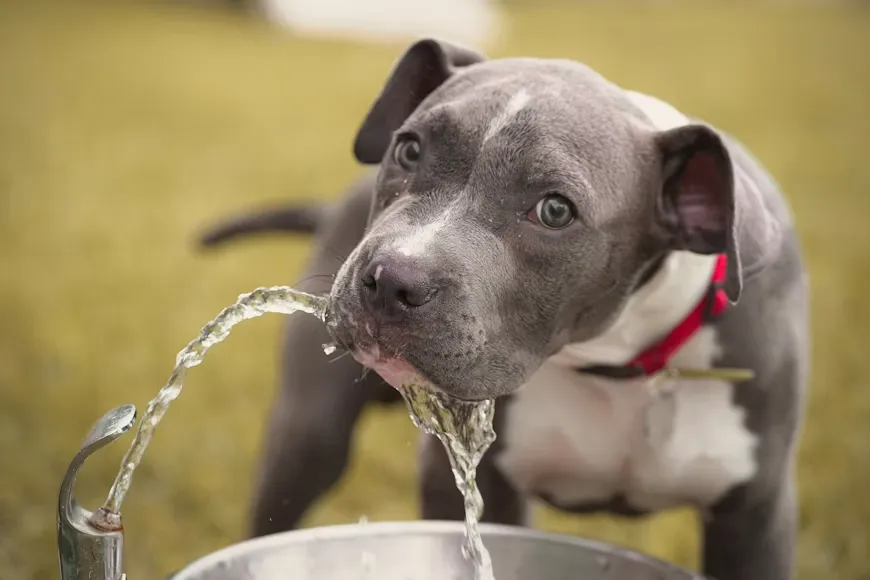
Veterinarian Dr. Waleed explains the early signs of kidney disease in senior dogs, the 4 IRIS stages, SDMA testing, renal diet, and how to manage CKD at home.
Your senior dog has been drinking water like he cannot get enough. The bowl that used to last all day is empty by mid-afternoon. He has started waking you up at night to go outside. He has lost a little weight without trying, his coat looks duller than it used to, and dinner sits untouched more often than not.
Your vet mentioned that the blood work showed something off with his kidney values, and now you are home staring at the phrase "chronic kidney disease" — wondering what it means for your dog and what comes next.
You are not alone. As a veterinarian, kidney disease is one of the conditions I discuss most often with senior dog owners. And the most important thing I want you to know right now is this: an early diagnosis changes everything. Dogs caught in the early stages can live comfortably for years with the right management.
Let me walk you through everything you need to understand.
What Is Kidney Disease in Dogs?
The kidneys perform several vital functions — filtering waste products from the blood, regulating hydration, controlling blood pressure, and producing hormones that stimulate red blood cell production. When the kidneys begin to fail, all of these functions are affected simultaneously.
Chronic kidney disease (CKD) is a gradual, progressive loss of kidney function over months or years. It is different from acute kidney injury, which happens suddenly due to toxin ingestion, infection, or trauma. CKD develops silently — which is precisely what makes it dangerous.
By the time most dogs show obvious symptoms, they have already lost approximately 75% of their functional kidney tissue. The kidneys are remarkably good at compensating — until they simply cannot keep up.
How Common Is Kidney Disease in Senior Dogs?
CKD affects an estimated 10% of dogs over the age of 10. It is one of the leading causes of death in senior dogs. Certain breeds carry a higher genetic predisposition, including Cavalier King Charles Spaniels, Cocker Spaniels, Shih Tzus, and Bull Terriers — but any dog can develop CKD as they age.
This is why routine annual blood work for dogs over 7 years old is not optional. It is essential.
Early Warning Signs of Kidney Disease in Senior Dogs
The challenge with CKD is that early signs are subtle and easy to attribute to normal aging. Here is what to watch for:
Increased Thirst and Urination
This is almost always the first sign owners notice. When the kidneys lose their ability to concentrate urine, the body tries to compensate by drinking more water and urinating more frequently. If your senior dog is suddenly emptying the water bowl faster than usual or asking to go outside more often — especially at night — take this seriously.
Weight Loss and Muscle Wasting
Kidney disease causes a buildup of waste products in the blood that suppresses appetite and interferes with protein metabolism. Dogs lose muscle mass progressively, and owners often notice it first along the spine and hindquarters.
Reduced Appetite or Nausea
The accumulation of toxins in the bloodstream — a condition called uraemia — causes nausea. Dogs may eat less, eat grass, or vomit occasionally, particularly in the morning.
Lethargy and Weakness
Failing kidneys produce less erythropoietin, the hormone that stimulates red blood cell production. This leads to anaemia, which causes fatigue, weakness, and reduced exercise tolerance.
Bad Breath With a Chemical or Ammonia Smell
This is a classic veterinary sign of advanced uraemia. The breath smells distinctly chemical or like ammonia — not simply bad, but different. If you notice this in your senior dog, see your vet urgently.
Pale Gums
Pale or greyish gums indicate anaemia — a serious complication of advanced kidney disease. Healthy dog gums should be pink and moist. Check them regularly.
Mouth Ulcers
In advanced stages, waste product buildup can cause painful ulcers inside the mouth, making eating even more difficult and painful.
The IRIS Staging System — What Stage Is Your Dog In?
Veterinarians use the International Renal Interest Society (IRIS) staging system to classify CKD severity. This system is based on blood creatinine levels and a newer biomarker called SDMA, alongside urine test results. Understanding your dog's stage helps you and your vet create the right treatment plan.
Stage 1 — Early Kidney Damage
Creatinine is still in the normal range, but subtle abnormalities are present — dilute urine, elevated SDMA, or protein in the urine. Dogs feel completely normal and show no symptoms. This stage is only caught through routine blood and urine screening. This is the ideal stage to catch CKD. Dogs diagnosed here can live years with appropriate management.
Stage 2 — Mild Kidney Disease
Creatinine is mildly elevated. Some dogs remain asymptomatic, while others show subtle signs — slightly increased thirst, mild weight loss, or occasional reduced appetite. Most owners attribute these changes to normal aging. Your vet will recommend dietary changes and increased monitoring at this stage.
Stage 3 — Moderate Kidney Disease
Creatinine is significantly elevated and clinical signs are usually obvious — reduced appetite, weight loss, lethargy, vomiting. Treatment becomes more active at this stage, potentially including subcutaneous fluid therapy at home, anti-nausea medications, phosphorus binders, and a prescription renal diet.
Stage 4 — Severe Kidney Disease
Creatinine is severely elevated and the dog is typically very unwell — vomiting frequently, not eating, extremely lethargic, possibly with mouth ulcers or neurological signs. Quality of life management becomes the primary focus. Median survival at Stage 4 is weeks to months. Honest conversations about quality of life and end-of-life options are important at this stage.
SDMA — The Early Detection Biomarker That Changes Everything
Until recently, creatinine was the main blood marker used to detect kidney disease. The problem is that creatinine does not rise until approximately 75% of kidney function is already lost.
A newer biomarker called SDMA (symmetric dimethylarginine) changes this significantly. SDMA rises when only 25% of kidney function has been lost — giving veterinarians a detection window of 9 to 17 months earlier than creatinine alone.
If your senior dog has never had SDMA tested as part of their blood work, ask your vet to include it at the next visit. This single test could be the most important thing you do for your dog this year.
How Is Kidney Disease Diagnosed?
Your vet will use a combination of the following:
Blood tests — measuring creatinine, BUN (blood urea nitrogen), SDMA, phosphorus, potassium, and red blood cell count.
Urine analysis — checking urine concentration (specific gravity), protein levels, and signs of infection.
Blood pressure measurement — kidney disease and high blood pressure are closely linked. Hypertension accelerates kidney damage and must be managed.
Ultrasound — assessing kidney size, shape, and structure. Shrunken, irregular kidneys are a classic finding in chronic kidney disease.
Treatment Options for Kidney Disease in Senior Dogs
There is currently no cure for CKD. The goal of treatment is to slow progression, manage symptoms, and maintain the best possible quality of life for as long as possible. Many dogs with well-managed CKD live comfortably for years after diagnosis.
Prescription Renal Diet
This is the single most evidence-supported intervention in canine CKD management. Renal diets are reduced in phosphorus and protein — two substances that accelerate kidney damage when present in excess. Studies consistently show that dogs on renal diets live significantly longer than those on regular food. Your vet will prescribe the appropriate diet based on your dog's stage.
Increased Water Intake
Keeping the kidneys well flushed is essential. Encourage water intake by offering wet food, adding water or low-sodium broth to meals, and providing multiple fresh water sources. Some dogs benefit from a pet water fountain, as moving water encourages drinking.
Phosphorus Control
Elevated phosphorus is one of the main drivers of CKD progression. In addition to a renal diet, phosphorus binders may be prescribed to reduce absorption from food.
Blood Pressure Management
If your dog has hypertension alongside CKD — which is common — medications such as amlodipine or telmisartan will be prescribed. Controlling blood pressure protects the remaining kidney tissue from further damage.
Subcutaneous Fluid Therapy
In moderate to advanced CKD, dogs often cannot drink enough to stay properly hydrated. Many owners learn to give subcutaneous fluids at home — a skill that sounds intimidating but is actually straightforward once shown by your vet. This single intervention dramatically improves comfort and quality of life in many dogs.
Anti-Nausea and Appetite Medications
Medications such as maropitant control nausea caused by toxin buildup. Appetite stimulants may be used when dogs are consistently refusing food. Keeping a dog eating is crucial — weight loss accelerates decline.
Anaemia Management
If your dog develops significant anaemia from reduced erythropoietin production, your vet may discuss erythropoiesis-stimulating agents or other supportive treatments.
What You Can Do at Home
Your role as a caregiver is enormous in managing CKD successfully. Here is what makes the biggest practical difference:
Stick to the renal diet strictly. Even occasional treats with high phosphorus — including most commercial dog treats — can undermine progress. Ask your vet for approved low-phosphorus treat options.
Monitor water intake daily. Note changes and report them to your vet. A sudden increase or decrease can signal a change in kidney function.
Keep a symptom diary. Track appetite, energy levels, vomiting frequency, and urination patterns. This information is invaluable at vet appointments and helps your vet make better decisions.
Attend all scheduled recheck appointments. CKD management is not a set-and-forget situation. Blood and urine monitoring every 3 to 6 months allows your vet to adjust treatment before problems escalate.
Keep your dog comfortable and stress-free. Stress worsens many chronic conditions. Gentle exercise, warmth, familiar routines, and close companionship all support a good quality of life.
How Long Can a Dog Live With Kidney Disease?
This is the question every owner asks, and the honest answer is: it depends enormously on the stage at diagnosis and how well the disease is managed.
Dogs diagnosed at Stage 1 or 2 with appropriate management can live for years — sometimes reaching the end of their natural lifespan from other causes entirely. Dogs first diagnosed at Stage 3 often live months to a couple of years with good management. Dogs diagnosed at Stage 4 typically survive weeks to months.
This is why early detection through routine screening is not just helpful — it is potentially life-extending by years.
A Final Word from Dr. Waleed
A diagnosis of kidney disease in your senior dog is not a death sentence. It is a signal to act — to adjust, to manage, and to give your dog the best possible quality of life for whatever time lies ahead.
The owners I have seen manage CKD most successfully are not the ones with the most medical knowledge. They are the ones who show up consistently — to appointments, to the renal diet, to monitoring their dog every day. That consistency is what you can give your dog, and it matters more than almost anything else.
If you have questions about your specific dog's situation, I am always here.
Frequently Asked Questions
What are the first signs of kidney disease in senior dogs?
The earliest and most common signs are increased thirst and more frequent urination — especially at night. Weight loss, reduced appetite, and mild lethargy often follow. Because these signs are subtle, many owners attribute them to normal aging, which is why routine blood work for senior dogs is so important.
What is the IRIS staging system for dog kidney disease?
The IRIS system classifies canine CKD into four stages based on blood creatinine and SDMA levels. Stage 1 involves kidney damage with normal creatinine. Stage 2 is mild elevation. Stage 3 is moderate, with obvious clinical signs. Stage 4 is severe and requires intensive supportive care. Each stage has specific treatment recommendations.
What should a dog with kidney disease eat?
A prescription renal diet is the most evidence-supported dietary intervention for canine CKD. These diets are reduced in phosphorus and protein, which are the two main dietary factors that accelerate kidney damage. Do not supplement or deviate from the prescribed diet without consulting your vet.
Can kidney disease in dogs be cured?
There is currently no cure for chronic kidney disease in dogs. However, with early detection and consistent management — including renal diet, hydration, blood pressure control, and regular monitoring — many dogs live comfortably for years after diagnosis.
What is SDMA and why does it matter for kidney disease?
SDMA is a blood biomarker that rises when only 25% of kidney function is lost — compared to creatinine, which does not rise until 75% is gone. This gives a detection window of up to 17 months earlier. Ask your vet to include SDMA in your senior dog's annual blood work if it is not already included.
How can I help my dog with kidney disease at home?
Stick strictly to the prescribed renal diet, encourage water intake, monitor symptoms daily, keep a diary of appetite and urination changes, and attend all recheck appointments. Subcutaneous fluid therapy at home is also an option your vet can teach you if your dog needs additional hydration support.
Have a Question for Dr. Waleed?
Every dog's kidney disease is different, and I know how overwhelming the diagnosis can feel. If you have a specific question about your dog's situation, send it to me on the Ask Dr. Waleed page. I read every message personally and will do my best to help.
Related Posts You May Find Helpful
🩹 Veterinary Disclaimer
This article is written by Dr. Waleed, DVM for general educational purposes only. It does not constitute a veterinary consultation or diagnosis for your specific pet. Always consult a veterinarian before making health decisions for your dog. If your pet is in distress, contact your vet or emergency animal clinic immediately.
Frequently Asked Questions
What are the first signs of kidney disease in senior dogs?
What is the IRIS staging system for dog kidney disease?
What should a dog with kidney disease eat?
Can kidney disease in dogs be cured?
What is SDMA and why does it matter?
How can I help my dog with kidney disease at home?
Dr. Waleed, DVM
Veterinarian · Grey Muzzle Squad
A veterinarian with a deep focus on companion animal health. Founded this blog to give pet owners access to real, clinical veterinary knowledge ??? without the guesswork.
Read full bio →Comments
Loading comments...
Leave a Comment
More to Read
View All
Why Is My Dog Stiff After Lying Down? Here's What It Really Means
Your dog looks stiff for the first few steps after resting, then walks fine? A vet explains exactly what this pattern means and when to worry

Why Is My Dog Pacing at Night? Dementia, Anxiety & Other Causes
Is your senior dog pacing, panting or confused at night? Learn about canine dementia, anxiety and restlessness.

Why Is My Dog So Itchy? Causes, Treatment & When to See a Vet
Why Is My Old Dog So Itchy All of a Sudden?

Why Is My Dog Drinking So Much Water? Causes & When to Worry
Is your senior dog suddenly drinking a lot of water? A vet explains kidney disease, diabetes, Cushing's and every other cause

Why Is My Dog Breathing Fast While Resting? Causes & What to Do
Is your dog breathing fast while resting? Learn the possible causes, how to check your dog's breathing rate and when it's an emergency.
Dog Arthritis Injections: Every Option Explained and Which Is Safest
Confused about dog arthritis injections? Dr. Waleed explains every option — Librela, Adequan, steroids, PRP — what each one does, which is safest, and how to choose.