
My Old Dog Has Diarrhea — A Vet Explains Every Cause and What to Do

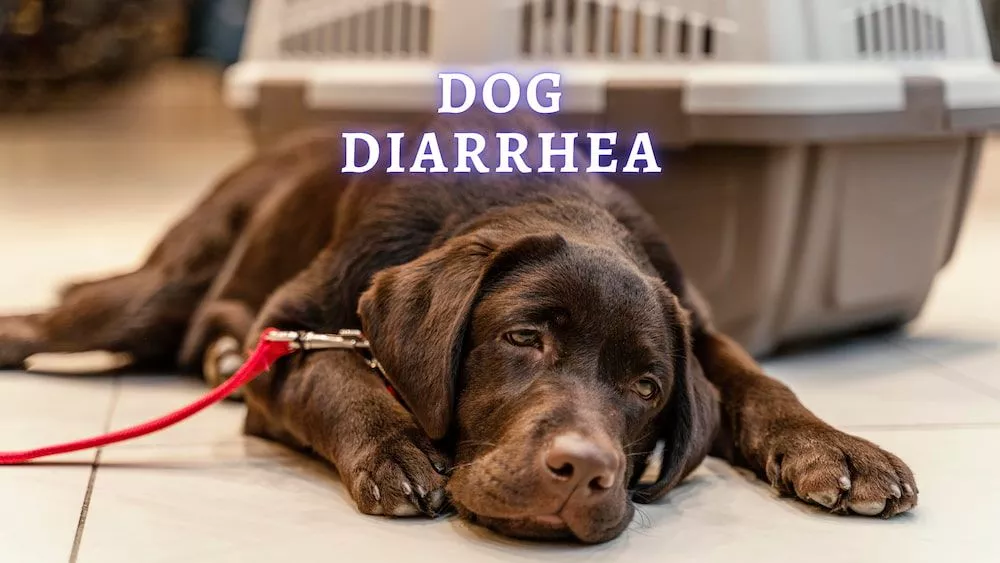
Is your old dog suddenly having diarrhea? Dr. Waleed explains every cause — from dietary indiscretion to cancer — and exactly what to do at home and when to call the vet.
It is not a pleasant thing to discover — and it is even less pleasant when it keeps happening. Your senior dog has had diarrhea once, or twice, or it has been going on for days and you are not sure whether to call the vet, wait it out, or try something at home first.
Diarrhea in an older dog is one of those symptoms that covers an enormous range — from completely harmless and self-resolving, to an early sign of something that genuinely needs investigation. The difference between those two situations is not always obvious from the outside, which is why I want to give you a proper guide rather than just a list of things to try at home.
In this guide I will explain why senior dogs are more vulnerable to diarrhea than younger dogs, how to read the pattern and appearance of what you are seeing, the most common causes specific to older dogs, the clear signs that mean this is not something to manage at home, and the practical things you can safely do while you decide on next steps.
Why Senior Dogs Get Diarrhea More Easily
Age changes the gut in several important ways. The digestive system of a senior dog is simply less resilient than it was at three years old — more reactive to dietary changes, less efficient at absorbing nutrients, more susceptible to the effects of systemic diseases, and more likely to have underlying conditions that express themselves through gastrointestinal symptoms.
Senior dogs are also far more vulnerable to the consequences of diarrhea. Dehydration sets in faster, electrolyte imbalances develop more quickly, and a body that is already managing kidney disease, heart disease, or another chronic condition has less reserve to handle the added stress of gastrointestinal illness. This is why the same episode of diarrhea that might be a non-event in a healthy three-year-old dog deserves closer attention in a twelve-year-old.
What the Diarrhea Itself Is Telling You — Reading the Signs
Before you clean it up, look at it carefully. The appearance and pattern of diarrhea is genuinely one of the most useful pieces of diagnostic information available before any testing is done.
Large volume, infrequent — small intestine origin
Large amounts of loose stool, happening less frequently — perhaps two to three times per day rather than ten — typically originates from the small intestine. The small intestine is where the majority of water and nutrient absorption happens, so when it is inflamed or not functioning properly, large volumes of poorly absorbed, watery stool result. Causes include dietary indiscretion, parasites, viral or bacterial infections, pancreatitis, and early inflammatory bowel disease.
Small volume, very frequent, urgent — large intestine origin
Small amounts of soft to liquid stool produced very frequently — sometimes every twenty to thirty minutes — with obvious urgency and straining, typically originates from the large intestine (colon). This pattern is often accompanied by mucus in the stool, and sometimes fresh red blood coating the outside. Causes include colitis, inflammatory bowel disease affecting the colon, and dietary sensitivity.
Fresh red blood in or on the stool
A small streak of fresh red blood on the outside of an otherwise formed stool, in a dog who is otherwise behaving normally, can sometimes be caused by straining or mild colitis. However, significant amounts of fresh blood, blood mixed throughout the stool, or blood combined with any other symptoms — vomiting, lethargy, abdominal pain — warrants urgent veterinary assessment. Never dismiss blood in stool without at least calling your vet.
Dark, tarry, very foul-smelling stool (melaena)
This is different from fresh red blood and significantly more concerning. Dark, tar-like, sticky stool that smells particularly foul indicates digested blood — meaning bleeding is occurring higher up in the digestive tract, in the stomach or small intestine. This is always a reason to contact your vet urgently. Causes include ulceration, tumours, and severe inflammatory conditions.
Mucus coating the stool
A clear or slightly yellowish slimy coating on the stool indicates large bowel inflammation. Occasional mucus in an otherwise healthy-seeming dog may not be an emergency, but recurring mucus-coated stool — especially in a senior dog — deserves investigation for inflammatory bowel disease, polyps, or other colonic conditions.
The Most Common Causes of Diarrhea in Senior Dogs
Dietary indiscretion
Despite being seniors, older dogs still eat things they should not. Table scraps, something found on a walk, raiding the bin, or simply a sudden switch in their regular food can all trigger a bout of diarrhea. This is usually self-limiting — resolving within 24 to 48 hours with bland food and adequate water. The clue is a clear connection to something different your dog ate, combined with a dog who otherwise seems completely well.
A sudden change in diet
Switching dog food too quickly — even to a better quality product — frequently causes diarrhea. The gut microbiome needs time to adjust. The correct approach is always a gradual transition over seven to ten days, mixing increasing proportions of the new food with the old. Senior dogs are particularly sensitive to abrupt dietary changes.
Pancreatitis
Inflammation of the pancreas causes both vomiting and diarrhea, typically with abdominal pain and lethargy. In senior dogs, pancreatitis is often triggered by a fatty meal — table scraps, fatty treats, or access to fatty food. The diarrhea associated with pancreatitis tends to be greasy looking, pale, and particularly foul smelling — this is called steatorrhoea, and happens because fat is not being properly digested and absorbed. Pancreatitis ranges from mild to severe and always benefits from veterinary management.
Kidney and liver disease
Both kidney and liver disease can cause diarrhea as part of their wider systemic effects — accumulated toxins affect gut motility and the intestinal lining. If your senior dog has a known diagnosis of either condition and develops diarrhea, this is not something to manage at home with bland food alone — it needs to be assessed in the context of their existing disease.
Inflammatory Bowel Disease (IBD)
IBD is a chronic condition where the immune system attacks the lining of the digestive tract. It is more commonly diagnosed in middle-aged to older dogs and causes recurring episodes of diarrhea, sometimes alternating with normal stool, often with weight loss over time. IBD requires proper diagnosis — usually via intestinal biopsy — and long-term dietary and sometimes medical management.
Intestinal parasites
Hookworms, whipworms, roundworms, and Giardia can all cause diarrhea in dogs of any age. Senior dogs whose immune systems are less robust may be more vulnerable to parasitic infections, and regular parasite control becomes increasingly important with age. A fresh stool sample examined under a microscope is the standard way to identify parasites.
Bacterial infections
Bacteria including Salmonella, Campylobacter, and Clostridium can cause diarrhea, sometimes with blood. Dogs can pick these up from contaminated water, raw food, wildlife faeces, or other infected animals. Senior dogs are more vulnerable to the effects of bacterial gastroenteritis and may need more active treatment than a younger, healthier dog would.
Medication side effects
Many medications commonly prescribed for senior dogs — including certain antibiotics, non-steroidal anti-inflammatory drugs (NSAIDs), and other drugs — can cause diarrhea as a side effect. If diarrhea began shortly after starting a new medication, contact your vet to discuss whether timing and dose adjustments are appropriate. Never stop medication abruptly without veterinary guidance.
Cancer
Intestinal tumours, including lymphoma and adenocarcinoma, are more common in older dogs and can cause chronic, progressive diarrhea that does not respond to standard management. This is why diarrhea that persists, recurs, or is accompanied by weight loss and reduced appetite over several weeks in a senior dog needs proper investigation rather than continued symptomatic management.
Stress
Significant changes in routine, environment, or household — a house move, new family member, fireworks, or loss of a companion animal — can trigger stress colitis in sensitive dogs. The diarrhea often contains mucus, the dog may seem unsettled, and the pattern often corresponds clearly to the stressful event. This is usually self-limiting once the stress resolves, but a vet visit is still worthwhile if it persists beyond 48 hours.
When Is Diarrhea an Emergency?
Go to a vet immediately — tonight if necessary — if any of the following apply:
There is significant blood in the stool — either fresh red blood in large amounts or dark, tarry, foul-smelling stool indicating digested blood
Diarrhea is combined with repeated vomiting — the risk of rapid dehydration is high and escalating
Your dog is lethargic, weak, or seems significantly unwell beyond just having an upset stomach
The abdomen looks swollen, tight, or painful when touched
Your dog has collapsed or is having difficulty standing
Your dog has known kidney or liver disease and has now developed diarrhea
Your dog is a small or very lean breed — they dehydrate faster and have less reserve
Diarrhea has continued for more than 24 hours in a senior dog who is otherwise unwell
Call your vet in the morning — do not leave it a week — if:
Diarrhea has been going on for more than 48 hours even if your dog seems relatively well
This is a recurring pattern over several weeks
There is mucus in the stool regularly
Your dog has lost weight alongside the diarrhea
You cannot identify a clear dietary cause
How a Vet Investigates Diarrhea in a Senior Dog
Your vet will ask about the pattern — acute or chronic, large bowel or small bowel signs, what the stool looks like, any dietary changes, any new medications, any possible toxin exposure or dietary indiscretion. Bring a fresh stool sample if you can collect one — ideally the most recent stool, in a clean sealed container, refrigerated until the appointment.
Faecal examination
A stool sample examined under a microscope identifies parasites, abnormal bacteria, and other abnormalities in the intestinal contents. This is usually one of the first tests performed and is relatively inexpensive.
Blood tests
A full blood panel checks kidney and liver function, looks for signs of infection or inflammation, assesses the pancreatic enzymes if pancreatitis is suspected, and screens for other systemic conditions that can cause gastrointestinal symptoms. In a senior dog with diarrhea, bloodwork is usually recommended even if the diarrhea seems straightforward, because the underlying cause may be systemic rather than purely gastrointestinal.
Imaging
Abdominal X-rays and ultrasound look for masses, thickened intestinal walls, enlarged lymph nodes, foreign objects, and changes in the other abdominal organs. Ultrasound in particular is very useful for assessing the intestinal wall thickness and the lymph nodes — changes here can suggest IBD or intestinal cancer.
Intestinal biopsy
For chronic, recurring diarrhea that does not respond to standard treatment, an intestinal biopsy — obtained either via endoscopy or surgery — is the only way to definitively diagnose inflammatory bowel disease, intestinal cancer, and other structural changes in the gut wall.
What You Can Safely Do at Home
Bland diet for 48 hours
For mild, acute diarrhea in a dog who is otherwise well, a brief period on a bland diet gives the gut a chance to settle. Plain boiled chicken breast — no skin, no seasoning — and plain white rice in a ratio of roughly one part chicken to three parts rice, offered in small amounts every four to six hours, is the standard approach. This is low in fat, easy to digest, and gentle on an irritated gut. After 48 hours of improvement, gradually reintroduce normal food over a further two to three days by mixing increasing amounts of their regular food into the bland diet.
Keep water available at all times
Diarrhea causes significant fluid loss. Fresh water should be available constantly and your dog should be encouraged to drink. If your dog is not drinking voluntarily, small amounts of low-sodium chicken broth — no onion, no garlic — added to the water bowl can encourage fluid intake. Monitor hydration closely — check gums for moisture and do the skin tent test regularly.
Do not give human anti-diarrheal medications without veterinary guidance
Some human anti-diarrheal preparations — including products containing loperamide — can be used in dogs under veterinary supervision, but others are unsafe. Never dose a dog with any human medication without speaking to your vet first. Kaolin-pectin preparations are sometimes recommended by vets for dogs, but again, dosing and appropriateness depends on the cause of the diarrhea — using anti-diarrheal medication in a dog with a bacterial infection or intestinal obstruction can make things significantly worse.
Probiotics
Dog-specific probiotic supplements — containing strains like Enterococcus faecium (FortiFlora is one well-studied product) — can help restore the normal gut microbiome during and after a bout of diarrhea. They are safe, generally well tolerated, and there is good evidence for their use in canine gastrointestinal recovery. These are different from human probiotics, which are not formulated for dogs and may not be well absorbed.
Keep track of the pattern
Note the frequency, the appearance, whether there is blood or mucus, what your dog ate in the 24 to 48 hours before it started, and how their energy and appetite are. This information is genuinely useful to your vet and can speed up diagnosis significantly, particularly if this is a recurring pattern.
A Final Word from Dr. Waleed
Diarrhea is uncomfortable and inconvenient — for your dog and for you. Most of the time in older dogs, an isolated, self-limiting bout has a simple, manageable cause. But in senior dogs specifically, I always want owners to pay a little more attention than they might with a younger dog — not to panic, but to notice the pattern, watch for the warning signs, and have a lower threshold for picking up the phone.
Your dog's gut is connected to almost every other system in their body. Chronic or recurrent diarrhea in an older dog is frequently the first visible sign of something else happening — kidney disease, liver disease, IBD, or early cancer — that is worth finding and addressing. Bland food and fluids are appropriate first steps for mild acute diarrhea. They are not a substitute for investigation when the pattern persists.
If in doubt, call your vet. Even a phone consultation can clarify whether this is a wait-and-see situation or one that needs to be seen today.
Frequently Asked Questions
My old dog suddenly has diarrhea but seems otherwise fine — should I be worried?
A single bout of diarrhea in a dog who is otherwise bright, eating, drinking, and behaving normally is often caused by something simple — dietary indiscretion, a sudden food change, or mild stress — and may resolve within 24 to 48 hours on a bland diet. However, senior dogs dehydrate faster than young dogs, so monitor closely. If diarrhea continues beyond 48 hours, recurs, or your dog's demeanour changes at all, contact your vet. A dog who seems fine otherwise but has recurring loose stools over several weeks should also be properly investigated — chronic diarrhea is never just a sensitive stomach in an older dog.
There is blood in my senior dog's stool — is this an emergency?
It depends on what the blood looks like and how your dog is doing. A small amount of fresh red blood on the outside of an otherwise formed stool, in a dog who seems completely well, can sometimes be caused by straining or mild colitis. Call your vet for advice. Significant amounts of fresh blood, blood mixed throughout the stool, or dark tarry stool indicating digested blood are more serious and need same-day or emergency veterinary assessment. Any blood in stool combined with vomiting, lethargy, or abdominal pain is an emergency — go to a vet now.
What can I give my old dog for diarrhea at home?
The safest home approach for mild, acute diarrhea in an otherwise well dog is a bland diet of plain boiled chicken and white rice in small, frequent amounts for 48 hours, while ensuring fresh water is always available. A dog-specific probiotic like FortiFlora can also help restore normal gut bacteria. Do not give human anti-diarrheal medications without speaking to your vet first — some human preparations are unsafe for dogs, and using anti-diarrheal drugs in a dog with certain causes of diarrhea can make things worse. If there is any doubt about whether your dog needs veterinary attention, call your vet rather than managing at home.
My senior dog has had diarrhea on and off for weeks — why?
Recurring, intermittent diarrhea over several weeks in a senior dog is never something to dismiss as a sensitive stomach. The most common causes include inflammatory bowel disease, food intolerance, pancreatitis, intestinal parasites, kidney or liver disease, and less commonly intestinal cancer. None of these are diagnoses you can make at home, and none of them resolve long term without proper treatment. A vet visit including a stool examination, blood panel, and possibly abdominal imaging is needed to find the underlying cause and start the right treatment.
My old dog has diarrhea and is also vomiting — what should I do?
The combination of diarrhea and vomiting is significantly more concerning than either alone, particularly in a senior dog. Fluid and electrolyte loss accumulates quickly from both ends, and dehydration can become serious within hours in an older dog with reduced reserves. Do not attempt to manage this combination at home with bland food and fluids. Contact your vet today, or go to an emergency clinic if it is out of hours. Intravenous fluids and anti-nausea medication are often needed, and the underlying cause needs to be identified.
Could my senior dog's diarrhea be caused by their medication?
Yes, this is a real and commonly missed cause. Several medications frequently prescribed for senior dogs — including NSAIDs used for arthritis pain, certain antibiotics, and some supplements — can cause diarrhea as a side effect, particularly when given on an empty stomach or when started at higher doses. If diarrhea began within a few days of starting a new medication, note the timing and call your vet. Do not stop any prescribed medication without veterinary guidance, as some drugs require a gradual taper and stopping abruptly can cause other problems.
How do I know if my old dog is dehydrated from diarrhea?
Two quick home checks: first, gently lift a fold of skin on the back of the neck — well-hydrated skin springs back immediately, while dehydrated skin returns slowly or stays lifted. Second, check the gums — they should be moist and pink, not dry, tacky, or pale. Other signs of dehydration include sunken eyes, lethargy beyond their usual level, very concentrated dark urine, and a dry nose. If you see these signs alongside diarrhea, do not wait — contact your vet today, as senior dogs with diarrhea-related dehydration often need intravenous or subcutaneous fluids to correct the deficit properly.
Is diarrhea in senior dogs ever a sign of cancer?
It can be, and it is one of the reasons chronic or progressive diarrhea in an older dog should always be properly investigated rather than managed symptomatically indefinitely. Intestinal lymphoma and adenocarcinoma are among the cancers that can cause persistent diarrhea, often alongside weight loss and a gradually declining appetite. These conditions are diagnosed via biopsy. Finding them earlier rather than later gives more treatment options and better quality of life outcomes. If your senior dog's diarrhea is not resolving with standard management, or is accompanied by weight loss, please see your vet and ask about intestinal imaging and biopsy.
Ask Dr. Waleed
Worried about your senior dog's digestive health? Send Dr. Waleed a message — I read every question and answer as many as I can.
Related Posts
🩹 Veterinary Disclaimer
This article is written by Dr. Waleed, DVM for general educational purposes only. It does not constitute a veterinary consultation or diagnosis for your specific pet. Always consult a veterinarian before making health decisions for your dog. If your pet is in distress, contact your vet or emergency animal clinic immediately.
Frequently Asked Questions
My old dog suddenly has diarrhea but seems otherwise fine — should I be worried?
There is blood in my senior dog's stool — is this an emergency?
What can I give my old dog for diarrhea at home?
My senior dog has had diarrhea on and off for weeks — why does this keep happening?
My old dog has diarrhea and is also vomiting — what should I do?
Could my senior dog's diarrhea be caused by their medication?
How do I know if my old dog is dehydrated from diarrhea?
Is diarrhea in senior dogs ever a sign of cancer?
Dr. Waleed, DVM
Veterinarian · Grey Muzzle Squad
A veterinarian with a deep focus on companion animal health. Founded this blog to give pet owners access to real, clinical veterinary knowledge ??? without the guesswork.
Read full bio →Comments
Loading comments...
Leave a Comment
More to Read
View All
Why Is My Dog Stiff After Lying Down? Here's What It Really Means
Your dog looks stiff for the first few steps after resting, then walks fine? A vet explains exactly what this pattern means and when to worry

Why Is My Dog Pacing at Night? Dementia, Anxiety & Other Causes
Is your senior dog pacing, panting or confused at night? Learn about canine dementia, anxiety and restlessness.
Why Is My Dog So Itchy? Causes, Treatment & When to See a Vet
Why Is My Old Dog So Itchy All of a Sudden?
Why Is My Dog Drinking So Much Water? Causes & When to Worry
Is your senior dog suddenly drinking a lot of water? A vet explains kidney disease, diabetes, Cushing's and every other cause
Why Is My Dog Breathing Fast While Resting? Causes & What to Do
Is your dog breathing fast while resting? Learn the possible causes, how to check your dog's breathing rate and when it's an emergency.
Dog Arthritis Injections: Every Option Explained and Which Is Safest
Confused about dog arthritis injections? Dr. Waleed explains every option — Librela, Adequan, steroids, PRP — what each one does, which is safest, and how to choose.