
Senior Dog Not Eating — Should I Be Worried?

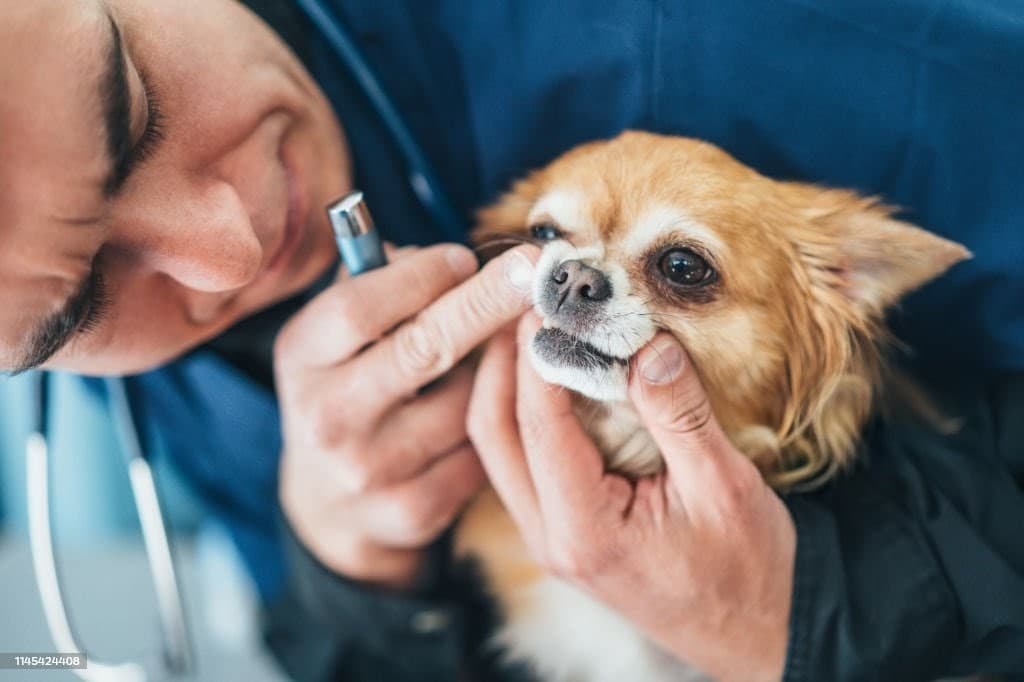
Your senior dog not eating could mean a lot of things. A vet explains the real causes, the red flags that mean don't wait, and what happens at the clinic.
It's 11pm and your dog has turned away from dinner for the second night in a row. Maybe she sniffed it, looked up at you, and walked away. Maybe he ate a few bites of the good stuff and ignored the rest. If you've searched "senior dog not eating" tonight, you're not overreacting — appetite is one of the clearest windows we have into how an older dog is actually feeling, and a real change in it deserves attention.
I want to walk you through how I actually think about this as a vet: what counts as a real problem versus a passing off-day, the most common reasons senior dogs go off their food, and — most importantly — how to tell the difference between "keep an eye on it" and "go to the clinic tonight."
What Does "Not Eating" Actually Mean for a Senior Dog?
In clinical terms, a dog that has truly stopped eating has what we call anorexia — and I'll save you the confusion now: this has nothing to do with the human eating disorder of the same name. It simply means food intake has dropped to little or nothing. But not every dog who's "off their food" has true anorexia.
There's an important distinction vets make between true anorexia (the dog has no interest in food at all) and pseudo-anorexia (the dog is hungry and wants to eat, but something — pain in the mouth, trouble swallowing, nausea — is stopping them from actually doing it). Both look the same from across the room: an untouched bowl. But they point toward very different causes, and figuring out which one you're dealing with is usually the first thing I try to work out with an owner.
One thing I'd ask you to be honest with yourself about: "eating a little" is not the same as eating normally. A dog who licks the gravy off the top of their food, or eats half their usual portion, is showing a real change — even if the bowl isn't completely full at the end of the day. Track actual quantity, not just whether the bowl got touched.
Why Senior Dogs Stop Eating: The Most Common Causes
Appetite loss in an older dog is a symptom, not a diagnosis — it can point to dozens of different things, and age itself raises the odds of several of them. Here are the categories I work through most often.
Dental and Mouth Pain

This is one of the most common — and most overlooked — causes I see in senior dogs. Loose or fractured teeth, periodontal disease, gum infections, or oral masses can all make eating painful enough that a dog avoids it entirely, especially hard kibble. Owners are often surprised because their dog "never showed any signs" of dental pain — dogs are remarkably good at hiding it until eating itself becomes the breaking point.
Underlying Organ Disease
Kidney disease, liver disease, and pancreatitis are all far more common in senior dogs, and a drop in appetite is frequently one of the earliest signs — sometimes appearing before any other obvious symptom. This is part of why age-related appetite changes get taken more seriously than the same change in a young, otherwise healthy dog.
Nausea and Pain From Any Source
Nausea suppresses appetite on its own, regardless of what's causing it — and so does pain, whether it's from arthritis, an abdominal problem, or something else entirely. If your dog has also been diagnosed with joint pain (something I've written about in our guide to arthritis signs in senior dogs), it's worth asking whether discomfort getting into a normal eating position, rather than the food itself, is the real issue.
Cancer-Related Appetite Loss
Cancer is unfortunately common in older dogs, and appetite suppression is one of its quieter signs. According to the Merck Veterinary Manual, what's sometimes called "cancer anorexia" is often driven by inflammatory signaling from the tumor itself, rather than the tumor directly blocking digestion — which is part of why it can show up before any lump, mass, or other visible symptom does.
Medication Side Effects
If your senior dog has recently started a new medication or supplement — including ones for joint pain — a drop in appetite can be a side effect rather than a sign the underlying condition is worsening. Don't stop a prescribed medication on your own, but do mention it to your vet so the timing can be evaluated.
Environmental and Psychological Factors
Older dogs can be more sensitive to changes in routine, a new food, a stressful event in the household, or even hot weather. These causes are real, but they're also the ones I'd want ruled out last, not first — it's tempting to assume "he's just being fussy" when something physical is actually going on.
When to Worry: Red Flags That Mean Don't Wait
This is the part most owners actually want to know: is this a wait-and-watch situation, or a get-in-the-car situation?
Contact your vet the same day, or go to an emergency clinic, if your senior dog's not eating is paired with any of the following:
Lethargy or noticeable weakness
Difficulty breathing
Pain when touched, or a hunched/tense posture
Not drinking water either
Known exposure to something toxic
Any collapse or disorientation
If your dog is otherwise acting completely normal — playful, alert, drinking water, just uninterested in food — a short observation window of 24 hours is generally reasonable for a single skipped or reduced meal. But I'd push back gently on waiting much longer than that in a senior dog specifically. Younger dogs can often shrug off a day or two of poor appetite; older dogs, especially those with any existing health condition, have far less reserve to work with. A pattern of reduced appetite over several days is reason enough to book an appointment even without any other symptom.
What Happens at the Vet

Knowing what to expect can make the visit feel less daunting. A typical workup for appetite loss in a senior dog includes a thorough physical exam — including a proper look in the mouth, which gets skipped more often than you'd think — followed by bloodwork to check organ function, blood cell counts, and electrolytes. Depending on what that turns up, your vet may recommend abdominal imaging (X-rays or ultrasound) to look for masses, blockages, or organ changes that bloodwork alone can't catch.
If a clear cause is found, treatment is directed at that cause specifically. If nausea or pain is suspected, your vet may also start supportive treatment — anti-nausea medication, pain relief, or in some cases a short-term appetite stimulant — while the underlying workup is still in progress, simply because a senior dog that isn't eating at all can decline quickly on its own. If you're also navigating diet changes for joint health, our guide to feeding senior dogs with arthritis covers how to balance nutrition needs without making this part of the puzzle harder than it needs to be.
A Note From Dr. Waleed
I'll be honest with you about something I see a lot: owners feel embarrassed bringing their dog in for "just not eating," as if it's not a real enough reason to ask for help. It is. Appetite is one of the most sensitive indicators we have in veterinary medicine — often more sensitive than the dog's general behavior, which can stay deceptively normal even while something serious is developing underneath.
I think about my own grandmother's dog, an old, food-obsessed Labrador who once skipped two meals in a row — completely out of character for a dog who would normally inhale his bowl in under a minute. That single change was the first sign of a kidney problem we caught early, almost entirely because someone noticed an empty bowl wasn't actually empty.
You know your dog's normal better than anyone, including me. Trust that, and don't talk yourself out of asking for help because the symptom seems "too small."
Have a question about your own dog's appetite or health? Ask Dr. Waleed →
🩹 Veterinary Disclaimer
This article is written by Dr. Waleed, DVM for general educational purposes only. It does not constitute a veterinary consultation or diagnosis for your specific pet. Always consult a veterinarian before making health decisions for your dog. If your pet is in distress, contact your vet or emergency animal clinic immediately.
Frequently Asked Questions
How long can a senior dog go without eating before it's an emergency?
My senior dog is still drinking water but won't eat — is that better or worse?
Can old age alone cause a dog to stop eating?
What home remedies can I try before going to the vet?
Could my dog's appetite loss be related to their arthritis medication?
Is loss of appetite always a sign of something serious in older dogs?
Why has my senior dog suddenly stopped eating?
How long can a senior dog go without eating?
What can I feed a senior dog that won't eat?
Is it normal for old dogs to eat less?
My old dog is not eating but still drinking water — should I worry?
Can depression cause a senior dog to stop eating?
Dr. Waleed, DVM
Veterinarian · Grey Muzzle Squad
A veterinarian with a deep focus on companion animal health. Founded this blog to give pet owners access to real, clinical veterinary knowledge ??? without the guesswork.
Read full bio →Comments
Loading comments...
Leave a Comment
More to Read
View All
Why Is My Dog Stiff After Lying Down? Here's What It Really Means
Your dog looks stiff for the first few steps after resting, then walks fine? A vet explains exactly what this pattern means and when to worry
Why Is My Dog Pacing at Night? Dementia, Anxiety & Other Causes
Is your senior dog pacing, panting or confused at night? Learn about canine dementia, anxiety and restlessness.

Why Is My Dog So Itchy? Causes, Treatment & When to See a Vet
Why Is My Old Dog So Itchy All of a Sudden?
Why Is My Dog Drinking So Much Water? Causes & When to Worry
Is your senior dog suddenly drinking a lot of water? A vet explains kidney disease, diabetes, Cushing's and every other cause
Why Is My Dog Breathing Fast While Resting? Causes & What to Do
Is your dog breathing fast while resting? Learn the possible causes, how to check your dog's breathing rate and when it's an emergency.
Dog Arthritis Injections: Every Option Explained and Which Is Safest
Confused about dog arthritis injections? Dr. Waleed explains every option — Librela, Adequan, steroids, PRP — what each one does, which is safest, and how to choose.