
My Old Dog Is Panting at Night — A Vet Explains Every Reason Why and What to Do

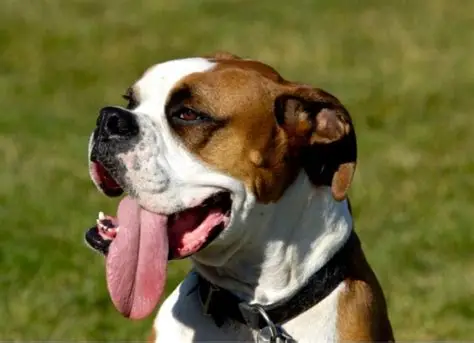
Old dog panting at night? Dr. Waleed DVM explains the hidden causes—from arthritis pain to heart disease—and when you need to call the vet.
It is 2am. You have been awake for an hour. Your dog is lying beside you — or pacing the room — panting heavily. Not a little panting. The kind that fills the bedroom with sound, that keeps you staring at the ceiling wondering what is wrong and whether you should be doing something about it right now.
You tell yourself it is probably nothing. They were fine all day. Maybe they are just a bit warm. You try to go back to sleep. The panting continues.
If this is your life right now, I want to tell you something important: nighttime panting in a senior dog is almost never nothing. A dog who is lying down in a cool, quiet room and breathing fast and heavy has a reason for it. And in older dogs, that reason is almost always something a vet can identify — and in most cases, treat.
In this guide I am going to walk you through every significant cause of nighttime panting in senior dogs, explain how to tell them apart by the clues your dog is already giving you, tell you when this is an emergency and when it can wait until morning, and explain exactly what happens when you bring your dog in for an assessment.
First — The Difference Between Panting and Laboured Breathing
Before we go any further, this distinction matters and could be the difference between waiting until morning and going to an emergency vet tonight.
Panting is fast, shallow, open-mouth breathing. The dog can close their mouth — they do it when they sniff or drink. It is the normal cooling mechanism. In the right context — after exercise, in the heat, after excitement — it is completely normal. In the wrong context — a cool room, a resting dog, 2am — it signals something else.
Laboured breathing is different, and it is serious. Watch for: the belly heaving with every breath, the neck stretched forward, nostrils flaring, breathing fast even with the mouth closed, or gums that look pale, grey, or blue-tinged instead of their normal pink. If you see any of these signs, do not wait. This is an emergency. Go to a vet now, not in the morning.
The rest of this guide is about panting — but keep that distinction in mind throughout.
Why Senior Dogs Pant at Night — The Main Causes
The critical thing to understand is this: your dog is not just getting old. There is almost always a specific, identifiable reason why an older dog pants at night in a cool house. Here are the most common ones — and the clues that help tell them apart.
Pain — especially arthritis, the most commonly missed cause
This is the one I see owners miss most often, because their dog was walking around fine during the day. Here is why nighttime is different: arthritis inflammation and stiffness accumulates over a day of movement. By evening, joints that were manageable at 9am are significantly more painful. Then the dog lies down, the house goes quiet, there are no distractions, and the pain becomes the only thing they are aware of.
Dogs pant when they are in pain. It is an involuntary physiological response — the stress hormones released by pain trigger faster breathing. A dog with significant arthritis who barely limped during the day may pant heavily through the night because the pain is no longer being masked by activity and distraction.
The clue to watch for: panting that starts in the evening after the dog has been lying down for a while, accompanied by restlessness — the dog gets up, turns around, lies down somewhere else, gets up again. They cannot find a comfortable position because every position eventually becomes painful. You may also notice they are reluctant to lie on one particular side, or that they shift positions frequently throughout the night.
Dental pain follows the same pattern. Infected teeth and advanced gum disease cause significant, constant pain that dogs often manage to mask during busy daytime hours but cannot escape at night. If your dog has bad breath, is dropping food, or seems reluctant to chew hard things, dental pain belongs on the list.
Cushing's Disease — the hormonal one with a very specific set of signs
Cushing's disease — formally called hyperadrenocorticism — happens when the adrenal glands produce too much cortisol, either because of a tumour on the pituitary gland in the brain or a tumour on the adrenal gland itself. It is one of the most common hormonal conditions in middle-aged and senior dogs, and it causes a very recognisable cluster of symptoms.
Excessive panting — day and night, but often more noticeable at night — is one of the hallmark signs. Cortisol affects the body's ability to regulate temperature and increases the drive to pant. The panting in Cushing's disease is often described as constant and out of proportion to the dog's activity or temperature.
The clues to watch for alongside the nighttime panting: dramatically increased thirst and urination (filling the water bowl repeatedly, needing to go outside more often), increased appetite that seems insatiable, a pot-bellied appearance even in a dog that has not gained weight (caused by muscle wasting and fat redistribution), thinning skin, hair loss on the body (often symmetrical, sparing the head and legs), and recurrent skin or urinary infections.
If your senior dog is panting at night AND drinking significantly more water than before, Cushing's disease is near the top of the differential list. So is diabetes and kidney disease — all three cause that combination and all three are diagnosable with blood and urine tests.
Heart Disease — the one where panting comes with a cough
When the heart is not pumping efficiently, fluid can accumulate in or around the lungs. This makes it harder for the dog to take in enough oxygen, and they respond by breathing faster and harder — which looks like panting. Lying down makes it worse, because it changes the distribution of fluid in the chest. This is why dogs with heart disease often seem okay during quiet daytime moments but deteriorate noticeably at night when they have been resting in one position for a while.
The clue to watch for: nighttime panting that comes with a cough — particularly a soft, persistent cough that sounds like the dog is trying to clear their throat. You may also notice the dog is reluctant to lie flat and prefers to sleep with their head and chest raised, or sitting up. Exercise intolerance — getting out of breath on walks that used to be easy — is another consistent sign of heart disease.
If your dog's gums look pale or greyish instead of their normal healthy pink, this is a sign the heart is not delivering enough oxygen to the tissues. This needs urgent veterinary attention.
Canine Cognitive Dysfunction — the dementia-related panting
Canine cognitive dysfunction syndrome (CDS) — often called doggy dementia — causes confusion, disorientation, and disrupted sleep-wake cycles. One of the most characteristic features is what some vets call sundowning: as evening approaches and the light fades, dogs with CDS become increasingly anxious and agitated. They pace, they pant, they vocalise, they seem unable to settle. They may stare at walls, get stuck in corners, or follow you from room to room looking distressed.
The clue to watch for: panting and restlessness that begins specifically in the evening and continues into the night, in a dog who has also shown other cognitive changes — getting lost in familiar rooms, forgetting house training, not recognising family members momentarily, sleeping more during the day and being awake and agitated at night. This pattern — calm days, distressed nights — is very typical of CDS.
The anxiety is real and distressing, even though the cause is neurological rather than physical pain. It deserves treatment, and there are medications and management strategies that can make a meaningful difference to both your dog's nights and yours.
Anxiety and Late-Onset Separation Anxiety
Senior dogs can develop new anxieties that did not exist when they were younger — and one of the most common is a form of nighttime separation anxiety. As the ASPCA notes, older dogs sometimes experience what amounts to anxiety when their owners go to sleep, almost as if the owner's sleeping is interpreted as a kind of abandonment. The dog paces, pants, paws at the owner, and cannot settle.
Sensory decline makes this worse. A dog who is losing their hearing and eyesight becomes more dependent on physical proximity to their owner for reassurance. The quiet darkness of the night removes the reassuring cues they rely on, and anxiety fills the gap. This can look like dementia from the outside, and the two often overlap — anxiety and CDS frequently coexist in older dogs.
Medication Side Effects
Certain medications commonly prescribed for senior dogs can cause or worsen panting as a side effect. Corticosteroids (prednisolone and similar drugs) are the most significant offender — they drive increased thirst, urination, appetite, and panting, especially at higher doses or early in treatment. Some pain medications can also cause restlessness or panting in sensitive dogs.
If your dog started panting at night shortly after beginning a new medication, make a note of the timing and tell your vet. The dose may need adjusting, or an alternative may be appropriate. Never stop medication abruptly without speaking to your vet first — some drugs require a gradual taper.
Laryngeal Paralysis — often missed in large older dogs
Laryngeal paralysis is a condition where the muscles that open the larynx (voice box) during breathing weaken or stop working. In a normal dog, the larynx opens wide when they inhale. In a dog with laryngeal paralysis, it stays partially closed, creating a noisy, raspy, roaring sound when they breathe — particularly when stressed or exercised, or on warm nights.
It is most common in older large breeds — Labrador Retrievers, Golden Retrievers, Irish Setters, and similar dogs. The breathing sounds distinctive: a loud, wheezy, rough noise with each inhale that owners often describe as their dog breathing like they have a permanent sore throat. Nighttime stress and warmth make it worse. This condition is surgically treatable and dogs often improve dramatically after the procedure.
The Clue-Pairing Method — How to Tell the Causes Apart
Before your vet appointment, pay attention to what accompanies the panting. These pairings are diagnostically valuable:
Panting + drinking a lot more water → Cushing's disease, diabetes, or kidney disease
Panting + soft cough + exercise intolerance → heart disease
Panting + restlessness + can't get comfortable + worse after lying down → arthritis pain
Panting + confusion + pacing + worse at night + better in daylight → canine cognitive dysfunction
Panting + pot belly + hair loss + always hungry → Cushing's disease
Panting + noisy raspy breathing + large older breed → laryngeal paralysis
Panting started after a new medication → medication side effect
Film one to two minutes of your dog panting at night on your phone. I cannot overstate how useful this is. What you describe to your vet verbally is always less precise than what we can see on video — the pattern of breathing, the sound, whether the dog is restless or still, what position they are in. Bring that video to your appointment.
When Is Nighttime Panting an Emergency?
Go to an emergency vet immediately — do not wait until morning — if:
The gums look pale, grey, white, or blue-tinged
The dog's breathing is clearly laboured — belly heaving, neck stretched, nostrils flaring
The dog collapses or cannot stand
The panting is accompanied by a distended, tight, painful-looking abdomen (possible bloat — a life-threatening emergency)
The panting came on suddenly and severely in a dog who seemed fine hours ago
Your dog appears to be in significant distress and cannot be settled at all
Call your vet first thing in the morning — do not wait weeks — if:
The nighttime panting has been going on for more than a few days
Your dog is also drinking more than usual
The panting is accompanied by any of the other symptom combinations above
This is a new development in an older dog who did not do this before
How a Vet Investigates Nighttime Panting
When you bring your dog in, your vet will start by listening carefully to your description — the pattern, the timing, what else you have noticed. This is exactly why filming the panting and keeping notes matters so much. From there:
Physical examination
Your vet will listen to the heart and lungs, feel the abdomen, check the lymph nodes, assess the joints, and look at the skin and coat. A lot of information comes from a careful physical examination — signs of heart disease, arthritis, Cushing's disease, and laryngeal paralysis can all be detected or strongly suspected at this stage.
Blood and urine tests
A full blood panel is usually the first diagnostic step. It checks for kidney disease, liver disease, diabetes, thyroid problems, and markers that can suggest Cushing's disease. A urinalysis adds further information. These tests are relatively affordable and answer a lot of questions in a single visit.
Blood pressure
High blood pressure — which can cause or worsen panting — is common in dogs with kidney disease, Cushing's disease, and hyperthyroidism. It is a simple, non-invasive measurement and should be part of any senior dog workup.
Specific Cushing's testing
If Cushing's disease is suspected from the history and blood panel, a specific test called the low-dose dexamethasone suppression test (LDDST) or an ACTH stimulation test confirms the diagnosis. These are run on blood samples and may require the dog to be at the clinic for a few hours.
Chest X-ray
If heart disease is suspected, a chest X-ray shows the size and shape of the heart and looks for fluid in or around the lungs. Combined with listening to the heart, this usually gives a clear picture of what is happening.
Cognitive dysfunction assessment
There is no single blood test for CDS. Diagnosis is based on clinical history — the pattern of behavioural changes — after ruling out other causes. Your description of the nighttime symptoms is central to this diagnosis.
What You Can Do at Home Tonight
While you are waiting for a vet appointment, here are practical steps that help:
Check the room temperature
Senior dogs regulate temperature less efficiently than younger dogs. A room that feels comfortable to you may be too warm for your dog, especially if they have a thick coat or are overweight. Try lowering the temperature slightly or placing a fan nearby — not blowing directly on the dog, but circulating air in the room. If the panting reduces, temperature was contributing. If it does not change, there is another cause.
Improve the sleeping surface
If arthritis pain is contributing, the surface your dog sleeps on matters enormously. A thin mat on a hard floor is difficult for arthritic joints. An orthopaedic memory foam bed — thick enough that it does not compress fully under the dog's weight — distributes pressure more evenly and makes nighttime significantly more comfortable. Place it on a non-slip surface and make sure your dog can get on and off it without stepping up.
Keep the room calm and dim
For dogs with cognitive dysfunction, nighttime anxiety is worsened by darkness and silence. A dim nightlight can reduce disorientation. Leaving a radio or television on quietly provides a background of familiar human sound that can be calming. Some owners find that sleeping closer to their dog — a mattress on the floor beside them, or allowing them on the bed — reduces the anxiety significantly.
Note everything for your vet
Start keeping a short daily note: when the panting begins, how long it lasts, what position the dog is in, what else you notice alongside it, what helped if anything. This log — even just a few lines per night — can dramatically speed up the diagnostic process.
A Final Word from Dr. Waleed
I know how exhausting it is to lie awake listening to your dog pant. The worry, the helplessness, the not-knowing — and then dragging yourself through the next day running on no sleep. I hear this from owners every week.
What I want you to take from this is simple: there is almost always a reason, and the reason is almost always something we can do something about. Pain can be managed. Cushing's disease can be treated. Heart disease can be slowed with medication. Cognitive dysfunction can be supported. Anxiety can be addressed.
The panting is your dog communicating something they have no other way to tell you. The most important thing you can do is listen — and then pick up the phone and call your vet.
Frequently Asked Questions
My old dog keeps panting at night for no reason — why is this happening?
There is almost always a reason, even when it is not immediately obvious. In a senior dog lying in a cool, quiet room, panting at night most commonly means one of six things: arthritis pain that is worse at night than during the day, Cushing's disease, heart disease, canine cognitive dysfunction, anxiety, or a medication side effect. The first step is paying attention to what else accompanies the panting — increased thirst, a cough, restlessness, confusion — because these additional clues point strongly toward the underlying cause and help your vet investigate efficiently.
My senior dog pants and paces at night and I cannot sleep — what should I do?
First, book a vet appointment — this is not something to manage indefinitely without knowing the cause. In the meantime, check the room temperature, improve your dog's sleeping surface, and note when the panting starts and stops and what accompanies it. Film it on your phone. If your dog has cognitive dysfunction causing nighttime restlessness, your vet may discuss medications such as selegiline or melatonin that can help regulate the sleep-wake cycle. If pain is the cause, appropriate pain management usually produces a dramatic improvement very quickly.
Could my dog be panting at night because of pain?
Yes — and this is the most commonly missed cause. Dogs in pain pant. Arthritis pain tends to be worse at night after a day of activity and once the dog has been lying still and cooling down. A dog who walked reasonably well during the day may be significantly more uncomfortable by midnight. The tell is restlessness alongside the panting — getting up, circling, lying down somewhere else, unable to settle. If your dog's nighttime panting improves noticeably after starting pain medication from your vet, pain was almost certainly the cause.
My dog is panting at night and also drinking a lot more water — what does that mean?
That combination is a significant red flag. Increased thirst alongside nighttime panting points strongly toward Cushing's disease, diabetes mellitus, or kidney disease — all of which are diagnosable with standard blood and urine tests. None of these should be left uninvestigated. Book a vet appointment this week and ask specifically for a full blood panel, urinalysis, and blood pressure measurement. These tests together give your vet an enormous amount of information and can usually identify the cause quickly.
How do I know if my dog's nighttime panting is an emergency?
Go to an emergency vet immediately if: the gums look pale, grey, or blue rather than their normal pink; the breathing is clearly laboured — belly heaving, neck stretched, nostrils flaring; your dog collapses or cannot stand; the abdomen looks distended and tight; or the panting is severe, sudden, and your dog cannot be settled at all. If the panting is present but your dog is conscious, walking, and the gums are pink — that still needs a vet appointment, but in the morning rather than tonight.
Can dog dementia cause panting at night?
Yes, very commonly. Canine cognitive dysfunction syndrome (doggy dementia) disrupts the sleep-wake cycle and causes nighttime confusion and anxiety — a pattern sometimes called sundowning, similar to what happens in humans with dementia. As it gets dark and quiet, dogs with CDS become increasingly unsettled. They pace, vocalise, and pant. This is one of the most distressing things owners experience with a cognitively affected dog. There are medications and management strategies that can help — selegiline, melatonin, nightlights, background noise, and keeping the dog closer to their owner at night are all worth discussing with your vet.
My dog only pants at night — during the day they seem completely fine. Does that mean nothing is wrong?
Unfortunately, no. Daytime activity, distraction, and stimulation mask a lot of what is happening in an older dog's body. Arthritis pain is genuinely worse when the dog has been lying still for hours. Heart disease shows up earlier in positions of rest. Cognitive anxiety is amplified by darkness and quiet. A dog who seems fine at noon can be in significant discomfort or distress by 2am — and the nighttime is often where we see the first signs of conditions that are still in their earlier, more treatable stages. Please do not dismiss the nighttime panting because the days look fine.
Is there anything I can do to help my senior dog stop panting at night while I wait for the vet appointment?
Yes — practical things that help immediately: cool the sleeping area down slightly, upgrade to a thick orthopaedic memory foam bed on a non-slip surface, leave a nightlight on if cognitive dysfunction may be contributing, stay close to your dog or allow them into your room if anxiety seems to be part of it, and keep a note of the panting pattern for your vet. If your dog was recently started on a corticosteroid medication, mention this to your vet when you call — the panting may be a side effect worth discussing. Do not give human pain medications. Wait for your vet's guidance on appropriate pain management for your specific dog.
Ask Dr. Waleed
Have a question about your senior dog's health? Send it to Dr. Waleed directly — I read every message and answer as many as I can.
🩹 Veterinary Disclaimer
This article is written by Dr. Waleed, DVM for general educational purposes only. It does not constitute a veterinary consultation or diagnosis for your specific pet. Always consult a veterinarian before making health decisions for your dog. If your pet is in distress, contact your vet or emergency animal clinic immediately.
Frequently Asked Questions
My old dog keeps panting at night for no reason — why is this happening?
My senior dog pants and paces at night and I can't sleep — what should I do?
Could my old dog be panting at night because of pain?
My dog is panting at night and also drinking a lot more water — what does that mean?
How do I know if my dog's nighttime panting is an emergency right now?
Can dog dementia cause panting and restlessness at night?
My dog only pants at night — during the day they seem completely fine. Does that mean nothing is serious?
What can I do tonight to help my senior dog stop panting while I wait for the vet?
Dr. Waleed, DVM
Veterinarian · Grey Muzzle Squad
A veterinarian with a deep focus on companion animal health. Founded this blog to give pet owners access to real, clinical veterinary knowledge ??? without the guesswork.
Read full bio →Comments
Loading comments...
Leave a Comment
More to Read
View All
Why Is My Dog Stiff After Lying Down? Here's What It Really Means
Your dog looks stiff for the first few steps after resting, then walks fine? A vet explains exactly what this pattern means and when to worry
Why Is My Dog Pacing at Night? Dementia, Anxiety & Other Causes
Is your senior dog pacing, panting or confused at night? Learn about canine dementia, anxiety and restlessness.

Why Is My Dog So Itchy? Causes, Treatment & When to See a Vet
Why Is My Old Dog So Itchy All of a Sudden?
Why Is My Dog Drinking So Much Water? Causes & When to Worry
Is your senior dog suddenly drinking a lot of water? A vet explains kidney disease, diabetes, Cushing's and every other cause
Why Is My Dog Breathing Fast While Resting? Causes & What to Do
Is your dog breathing fast while resting? Learn the possible causes, how to check your dog's breathing rate and when it's an emergency.
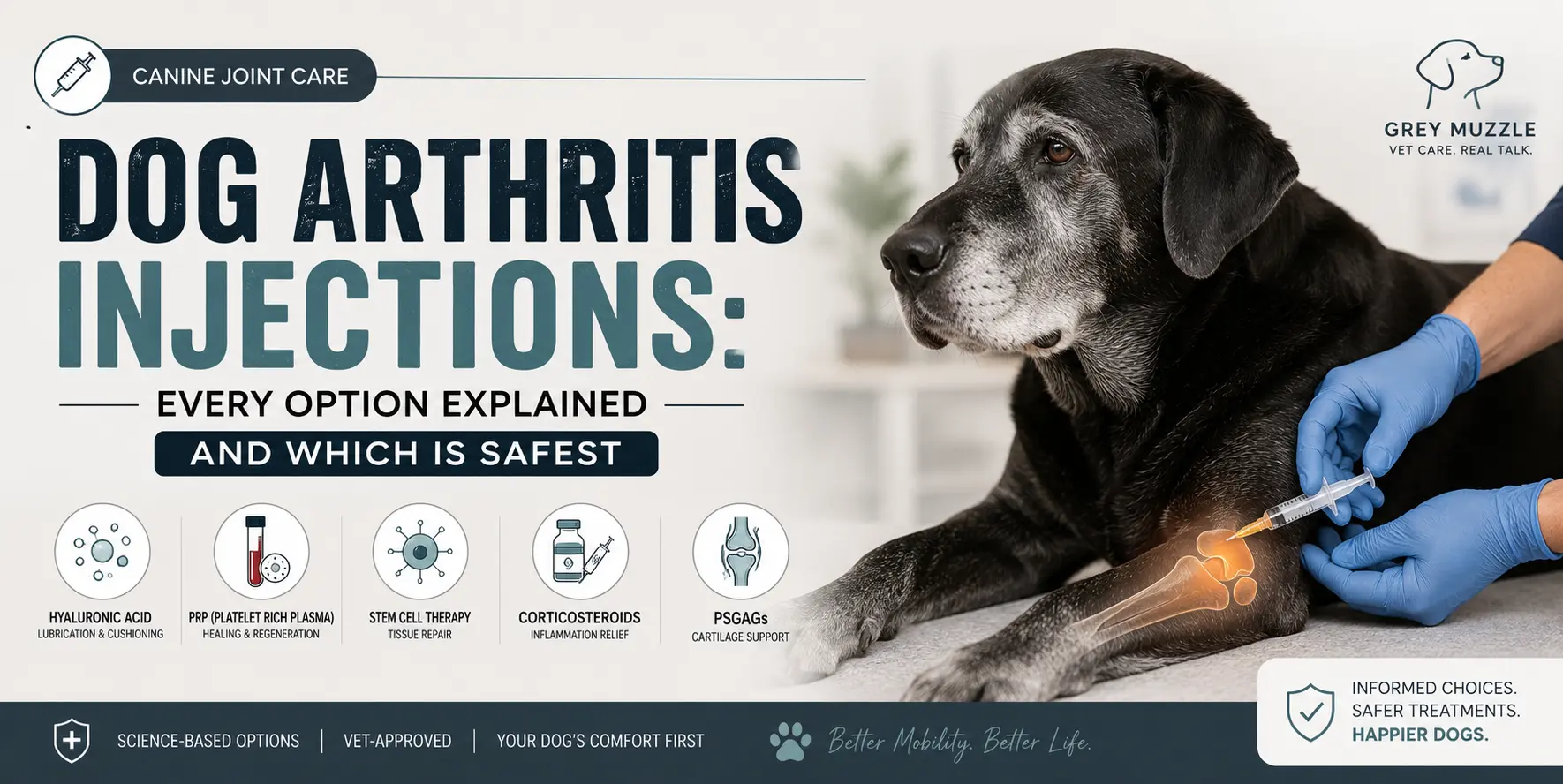
Dog Arthritis Injections: Every Option Explained and Which Is Safest
Confused about dog arthritis injections? Dr. Waleed explains every option — Librela, Adequan, steroids, PRP — what each one does, which is safest, and how to choose.