
Adopting a Senior Dog: What to Expect in the First Weeks

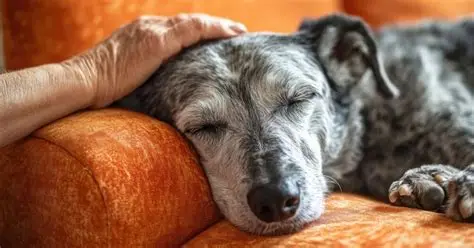
Veterinarian Dr. Waleed explains what to expect after adopting a senior dog — including the adjustment period, vet checks, and helping them settle in.
The first night, she didn't move from the corner of the room. She wouldn't touch the new bed you bought, wouldn't eat the food you carefully picked out, and barely lifted her head when you walked past. You start to wonder if you made a mistake — if she's unhappy, if she misses wherever she came from, if she'll ever actually settle in with you.
If this is where you are right now, take a breath. This is normal, and it is temporary. In this guide, I'll walk you through exactly what to expect in the days and weeks after adopting a senior dog, the warning signs that genuinely need a vet's attention versus the ones that are just part of adjusting, and what you can do at home to help an old dog feel safe in a brand new life.
Why Senior Dogs Take Longer to Settle In
A senior dog arriving in your home has usually just lost something — an owner who passed away, a family that could no longer keep them, or months in a noisy, stressful shelter. Unlike a puppy meeting the world for the first time, an older dog is comparing your home to everything they've already known. That comparison takes time to resolve in their favour.
Older dogs also process change more slowly. Their senses — hearing, eyesight, smell — may already be declining, which means a new home full of unfamiliar sounds and smells can feel more disorientating than it would to a younger dog. None of this means something is wrong with your dog. It means their nervous system is doing exactly what it's supposed to do: staying cautious until it has evidence that this new place is safe.
Signs Your Senior Dog Is Adjusting Normally
Hiding or Staying in One Spot
Many newly adopted senior dogs choose one "safe" corner, bed, or room and stay there for the first few days. This is self-protective behaviour, not depression. Let them have that space without forcing interaction.
Sleeping More Than Usual
Shelters and rehoming situations are exhausting — physically and emotionally. A senior dog catching up on rest in their first week home is one of the most common and reassuring signs of adjustment, not a red flag.
Not Eating Right Away
A senior dog who skips a meal or two in the first 24–48 hours is usually responding to stress, not illness. Appetite typically returns within a few days as they relax.
Watching You Constantly
Some newly adopted senior dogs become "shadow dogs," following you from room to room or watching your every move. This is them learning your routines and deciding whether you're safe — it's a good sign, even though it can feel intense.
Accidents Despite Being House-Trained
Most senior dogs are already house-trained, but stress, an unfamiliar layout, or a bladder that's simply aged can cause the occasional accident in the first couple of weeks. This usually resolves once a routine is established.
The 3-3-3 Rule: A Realistic Timeline
Shelters and rescue groups widely use the 3-3-3 rule to set expectations for new adopters, and it applies well to senior dogs too:
First 3 days: Your dog is overwhelmed and decompressing. Expect withdrawal, low appetite, and minimal personality on display.
First 3 weeks: Routines start to form. Appetite normalises, and you'll begin to see real personality traits emerge — playfulness, affection, or quirks.
First 3 months: Most dogs are fully bonded, confident in the home, and behaving like "themselves." Some senior dogs with harder pasts may take longer — that's still within normal range.
Knowing this timeline in advance prevents the most common adopter mistake: panicking in week one and assuming something has gone wrong.
What the Vet Checks For After Adoption
Even if your newly adopted senior dog seems healthy, book a veterinary visit within the first week. Shelters and rescues do their best, but many senior dogs arrive with an incomplete medical history. At this first visit, expect your vet to:
Run baseline blood and urine tests to screen for kidney, liver, and thyroid issues common in older dogs
Check teeth and gums — dental disease is extremely common in senior rescues
Assess joints and gait for early arthritis
Check weight and body condition, since many senior shelter dogs arrive underweight or overweight
Update vaccinations and parasite prevention if records are missing or unclear
This visit isn't about expecting bad news. It's about starting your relationship with this dog from a place of full information rather than guesswork — so if something does need managing, like early arthritis or kidney changes, you catch it early.
Treatment and Support for Common Adjustment Issues
Most adjustment struggles don't need medication — they need time, structure, and patience. But a few situations do warrant extra support from your vet:
Appetite loss beyond 2–3 days: If your senior dog still isn't eating after several days, this needs veterinary attention rather than waiting it out.
Severe anxiety or panic: Constant pacing, panting, trembling, or destructive behaviour that doesn't ease after the first week may benefit from a behaviourist referral or short-term anti-anxiety support.
Pain-driven behaviour changes: Sometimes what looks like "fear" or "stubbornness" is actually a dog protecting a painful joint or tooth. If withdrawal is paired with reluctance to move, it's worth ruling out pain before assuming it's purely emotional.
What You Can Do at Home
You don't need to do anything elaborate in the first weeks — in fact, less is more. A few things genuinely help:
Keep the household quiet at first. Hold off on introducing your dog to extended family, friends, or busy outings until they've had at least a week to decompress.
Stick to a predictable routine. Feed, walk, and settle for the night at consistent times. Predictability builds trust faster than affection alone.
Give them a safe space. A bed or crate in a quiet corner — not isolated, but not in the middle of household traffic — gives your dog somewhere to retreat without feeling shut out.
Transition food slowly. Mix the old food with the new gradually over 7–10 days to avoid an upset stomach on top of everything else they're adjusting to.
Let them come to you. Resist the urge to coax constant affection in the first few days. Letting your dog set the pace of physical closeness builds trust faster than forcing it.
Watch, don't hover. Pay attention to appetite, energy, and mobility without constantly checking in or following them around — dogs pick up on anxious energy.
A Final Word From Dr. Waleed
I see a lot of worried new owners in the first two weeks after a senior adoption, and almost every time, what they're describing is completely normal decompression — not a dog who regrets coming home, and not a dog who is sick. Senior dogs have already lived a full life before they met you, and most of them are simply waiting to find out if this home is the one that finally stays. Give that proof through routine, patience, and a quiet first week, and you'll usually see them come alive in ways that make every bit of worry worth it. You didn't make a mistake. You gave an old dog a second chance — and that's one of the kindest things a person can do.
Frequently Asked Questions
My newly adopted senior dog won't eat — should I worry?
Not eating for the first 24–48 hours after adoption is a common stress response and usually resolves on its own. Try warming the food slightly or adding a splash of low-sodium chicken broth to make it more appealing. If your dog still isn't eating after 3 days, or shows other signs like vomiting or lethargy, contact your vet rather than waiting it out.
How long does it take for a senior dog to adjust to a new home?
Most senior dogs follow a rough 3-3-3 pattern: overwhelmed for the first 3 days, settling into routine over the first 3 weeks, and fully comfortable and bonded by around 3 months. Dogs with harder pasts may take longer, and that's still completely normal.
Is it normal for my rescued senior dog to hide or avoid me at first?
Yes. Hiding or staying in one spot is a self-protective response, not a sign your dog dislikes you or your home. Give them space and let them approach you on their own terms rather than forcing interaction.
Should I take my senior dog to the vet right after adopting them?
Yes — book a vet visit within the first week even if your dog seems healthy. Many senior rescues have incomplete medical histories, and a baseline check for dental disease, joint health, and organ function helps catch issues early.
My old rescue dog had an accident in the house even though he's supposed to be house-trained — what's going on?
Occasional accidents in the first couple of weeks are usually caused by stress, an unfamiliar home layout, or an ageing bladder — not a training failure. This typically resolves once your dog settles into a consistent routine and bathroom schedule.
How can I help my senior dog bond with me faster after adoption?
Keep the first week quiet and low-stimulation, stick to predictable feeding and walking times, and let your dog set the pace for affection rather than pushing it. Trust tends to build faster through routine and patience than through trying to force closeness.
Have a question about your own senior dog? Send it in for our Ask Dr. Waleed series and I may answer it in an upcoming post.
🩹 Veterinary Disclaimer
This article is written by Dr. Waleed, DVM for general educational purposes only. It does not constitute a veterinary consultation or diagnosis for your specific pet. Always consult a veterinarian before making health decisions for your dog. If your pet is in distress, contact your vet or emergency animal clinic immediately.
Frequently Asked Questions
My newly adopted senior dog won't eat — should I worry?
How long does it take for a senior dog to adjust to a new home?
Is it normal for my rescued senior dog to hide or avoid me at first?
Should I take my senior dog to the vet right after adopting them?
My old rescue dog had an accident in the house even though he's supposed to be house-trained — what's going on?
How can I help my senior dog bond with me faster after adoption?
Dr. Waleed, DVM
Veterinarian · Grey Muzzle Squad
A veterinarian with a deep focus on companion animal health. Founded this blog to give pet owners access to real, clinical veterinary knowledge ??? without the guesswork.
Read full bio →Comments
Loading comments...
Leave a Comment
More to Read
View All
Why Is My Dog Stiff After Lying Down? Here's What It Really Means
Your dog looks stiff for the first few steps after resting, then walks fine? A vet explains exactly what this pattern means and when to worry

Why Is My Dog Pacing at Night? Dementia, Anxiety & Other Causes
Is your senior dog pacing, panting or confused at night? Learn about canine dementia, anxiety and restlessness.

Why Is My Dog So Itchy? Causes, Treatment & When to See a Vet
Why Is My Old Dog So Itchy All of a Sudden?
Why Is My Dog Drinking So Much Water? Causes & When to Worry
Is your senior dog suddenly drinking a lot of water? A vet explains kidney disease, diabetes, Cushing's and every other cause
Why Is My Dog Breathing Fast While Resting? Causes & What to Do
Is your dog breathing fast while resting? Learn the possible causes, how to check your dog's breathing rate and when it's an emergency.
Dog Arthritis Injections: Every Option Explained and Which Is Safest
Confused about dog arthritis injections? Dr. Waleed explains every option — Librela, Adequan, steroids, PRP — what each one does, which is safest, and how to choose.