
Thinking About Adopting a Senior Dog? Read This First

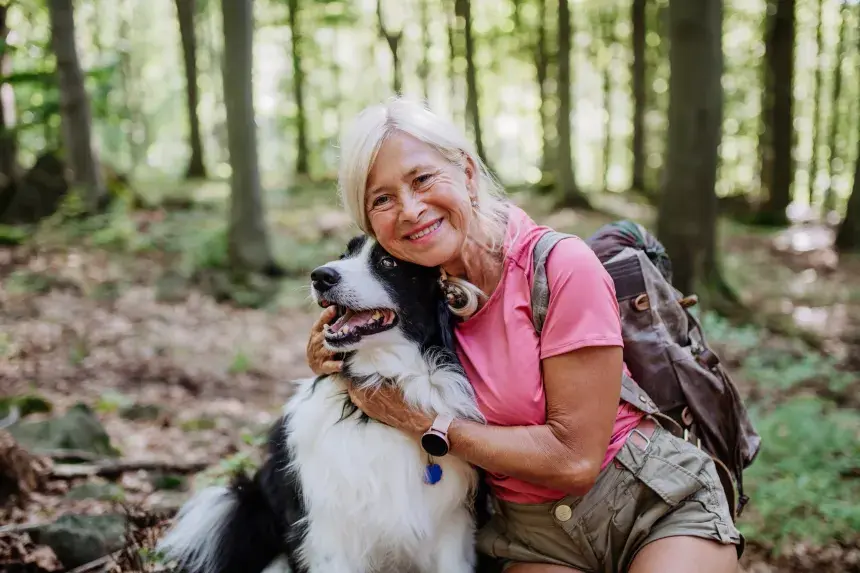
Veterinarian Dr. Waleed gives the honest practical guide to adopting a senior dog — real benefits, real challenges, home preparation checklist, and questions to ask the shelter first.
You are thinking about adopting a senior dog. Maybe you saw a grey-muzzled face at a shelter and could not stop thinking about them. Maybe someone told you older dogs are calmer, easier, more settled — and you want to know if that is actually true before you commit.
This guide will give you the honest, practical picture — what adopting a senior dog actually involves, what questions to ask before you bring one home, and how to know whether your home, lifestyle, and budget are genuinely ready.
As a veterinarian who works with senior dogs every day, I want to help you make this decision with full information — not just enthusiasm — so that the dog you bring home stays with you for life.
What Age Is a Senior Dog?
This is the first thing to understand — because "senior" does not mean the same age for every dog.
As a general rule, vets consider dogs senior from around 7 years of age for medium and large breeds. For giant breeds like Great Danes and Irish Wolfhounds, senior status begins even earlier — around 5 to 6 years. Small breeds age more slowly and may not reach true senior status until 9 or 10.
A 7-year-old Labrador and a 7-year-old Chihuahua are in very different biological stages of life. When you are looking at a dog in a shelter, ask their age and breed — then ask a vet what that means in terms of likely health and lifespan.
The Real Benefits of Adopting a Senior Dog
These are genuine, not just things people say to make you feel better about choosing an older dog:
What You See Is What You Get
A senior dog's personality is fully formed. There are no surprises. The calm, gentle dog you meet at the shelter is the dog that will come home with you. With a puppy, you are making a bet on who they will become. With a senior dog, you already know.
Most Are Already House Trained
The vast majority of senior dogs in shelters were someone's pet before — they know what a home is, they know basic routines, and they are almost always already house trained. You skip the puddles-on-the-floor phase entirely.
They Are Calmer by Nature
Senior dogs have outgrown the frantic energy of puppyhood and the boisterous phase of young adulthood. They want walks, they want company, they want to be near you — but they are not bouncing off the walls. For families with children, older adults, or anyone who cannot manage a high-energy young dog, this is genuinely significant.
They Bond Deeply
There is something particular about the bond a senior rescue dog forms with the person who gives them a home in their later years. Many owners describe it as one of the most profound relationships they have had with a dog. These dogs seem to understand what they have been given.
You Are Saving a Life That Needs Saving Most
Senior dogs are the least likely to be adopted from shelters and the most likely to be euthanised. Choosing an older dog is one of the most meaningful decisions you can make as an animal lover.
The Honest Challenges — What to Go In Knowing
I would not be doing my job as a vet if I only told you the positives. Here is what to be genuinely prepared for:
Shorter Time Together
This is the hardest truth. A senior dog may give you 2 to 5 years — sometimes more, sometimes less. The time is shorter. For some people, that makes the relationship feel more precious. For others, it makes it feel too painful to start. Know which category you fall into before you commit.
Higher Veterinary Costs
Senior dogs need more medical care than younger dogs. Biannual vet checks, blood work, possible medication for arthritis or other chronic conditions, dental cleanings — these are real, ongoing costs. Before adopting, be honest with yourself: can you afford unexpected vet bills? A pet insurance policy taken out immediately on adoption can be extremely valuable for a senior dog — insure them before any conditions are diagnosed, as pre-existing conditions are usually excluded.
Unknown Medical History
Shelter dogs often come with incomplete or no medical records. You may not know what conditions they have until a thorough vet examination. Some senior rescue dogs are completely healthy. Others arrive with arthritis, dental disease, heart murmurs, or early kidney disease that was undetected or untreated.
They May Need Time to Decompress
A dog coming out of a shelter — especially one who has been there for weeks or months — has been living in a stressful, noisy environment. They will not show you their true personality immediately. Some senior dogs sleep almost continuously for the first week as they catch up on rest. Others are withdrawn or anxious before they begin to trust. Give them time — the dog you see in week one is not the dog you will have by month three.
Is Your Home Ready for a Senior Dog?
Before adopting, walk through your home and ask these specific questions:
Floors
Smooth floors — hardwood, tiles, laminate — are very difficult for senior dogs with arthritis or weakened muscles. They slip, they fall, they hurt themselves and become afraid to move. Before your dog arrives, lay non-slip rugs or yoga mats along the routes they will use most — from their bed to the door, from the door to the garden.
Stairs
Can your dog avoid stairs entirely if needed? Many senior dogs manage stairs fine at first but struggle as they age. If your home requires stairs for basic access — getting in, reaching sleeping areas, accessing the garden — think about how you will manage this if their mobility declines. Ramps are available and work well for most senior dogs.
Sleeping Area
Senior dogs need an orthopedic bed — not a thin flat cushion. Memory foam beds designed for dogs support arthritic joints and make an enormous difference to how a senior dog feels getting up in the morning. Place the bed in a warm, draught-free area away from cold floors and doorways.
Access to the Garden
How easy is it for a dog to get outside to go to the toilet? If there are steps down to the garden, a ramp will make them safer. If the garden requires navigating through multiple doors or down a long hallway, think about how manageable that is for a dog who may need to go out frequently.
Other Pets
If you have other dogs or cats, the introduction of a senior dog needs to be handled carefully. Senior dogs generally do well with other calm pets — but high-energy young dogs can be overwhelming and even physically harmful to an older dog with arthritis or fragile joints. Ask the shelter about the dog's history with other animals before committing.
Questions to Ask the Shelter Before Adopting
These are the specific questions that will give you the most useful picture:
"Why was this dog surrendered?" Understanding why a dog ended up in the shelter tells you a lot about their background and any behavioural history.
"Do you have any medical records from the previous owner?" Even partial records are valuable. Vaccination history, previous diagnoses, and medication history all matter.
"Has the dog shown any signs of pain, stiffness, or difficulty moving?" Shelter staff observe dogs daily. They will have noticed signs of arthritis or discomfort that a brief visit might not reveal.
"How does this dog behave with other dogs, cats, and children?" A responsible shelter will be honest about any history of reactivity or fear.
"Has a vet examined this dog recently? Are there any known health conditions?" Many shelters conduct basic health checks on intake. Find out what was assessed and what was found.
"What is this dog's daily routine — feeding times, walk duration, sleeping habits?" Maintaining consistency with their existing routine during the first weeks at home reduces stress enormously.
What to Have Ready Before They Come Home
Have these in place before adoption day — not the day after:
Orthopedic dog bed — memory foam, large enough for them to stretch fully. Place it somewhere warm before they arrive.
Non-slip mats or rugs — on all hard floors they will walk on.
Food and water bowls — raised bowls reduce neck and shoulder strain, particularly for larger dogs with arthritis.
A vet appointment booked — within the first week. Even if the shelter says the dog is healthy, a full baseline examination by your own vet is essential. See our guide on the senior dog first vet visit for exactly what to expect and what to ask.
Pet insurance — ideally taken out before or on the day of adoption, before any new conditions are identified. Read the policy carefully to understand what pre-existing conditions are excluded.
The same food they were eating at the shelter — ask the shelter what brand and type. Changing food abruptly causes digestive upset. Continue their existing food for at least a week, then transition gradually over 7 to 10 days if you want to change it.
A collar with an ID tag and your contact details — fitted before they leave the shelter or the car. Senior dogs who are anxious in a new environment can bolt. Do not wait until you get home to put identification on them.
A nightlight — senior dogs often have reduced vision, particularly in low light. A small nightlight near their sleeping area and near the door they use to go outside makes night-time navigation much safer and less stressful for them.
Your Budget — Being Honest With Yourself
This is the section most guides skip. I am including it because it matters.
Senior dogs cost more to maintain than younger dogs. Here is a realistic annual estimate for a senior dog in good health:
Two vet wellness checks per year — including full blood work and urine analysis: this is not optional for a senior dog, it is how you catch conditions like kidney disease and diabetes before they become crises.
Dental cleaning under anaesthesia: senior dogs typically need this every one to two years. It is a significant cost but prevents far more expensive health problems caused by untreated dental disease.
Monthly flea, tick, and worming prevention.
Joint supplements if arthritis is present.
Prescription medication if any chronic condition is diagnosed — arthritis medication, heart medication, kidney support — these are ongoing monthly costs.
Emergency fund or pet insurance — unexpected health events in senior dogs are common and can be expensive. Be honest about whether you can absorb a significant unexpected vet bill.
If the financial reality gives you genuine pause, that is important information. A senior dog deserves an owner who can provide the medical care they need — not just the love.
A Final Word From Dr. Waleed
If you are genuinely thinking about adopting a senior dog, I want you to know that the owners I meet who have made this choice are almost universally glad they did. Not because it is without difficulty — it involves real commitment, real cost, and real heartbreak at the end — but because the relationship that develops in that time is something that does not need a long lifespan to be complete.
Go into it with your eyes open. Prepare your home before they arrive. Book that vet appointment in the first week. Take out insurance immediately.
And then give yourself permission to fall completely in love with a dog who needs exactly what you have to offer.
Frequently Asked Questions
Is adopting a senior dog a good idea?
Yes — for the right person and the right household, adopting a senior dog is one of the most rewarding decisions you can make. Senior dogs are calm, house trained, and bond deeply with their new owners. The main things to be prepared for are higher veterinary costs than a younger dog, and a shorter time together. Go in with realistic expectations and full preparation, and the experience is genuinely special.
How long do senior rescue dogs live after adoption?
This varies enormously depending on the dog's age, breed, and health at the time of adoption. A healthy 7-year-old medium breed dog may give you 4 to 6 more years. A 10-year-old large breed may give you 1 to 3 years. A thorough vet examination within the first week of adoption will give you the most realistic picture of your specific dog's health and likely trajectory.
What do I need to prepare before bringing a senior dog home?
Before your dog arrives: lay non-slip mats on hard floors, set up an orthopedic memory foam bed in a warm draught-free spot, raise food and water bowls, book a vet appointment for within the first week, take out pet insurance, and obtain the same food the shelter was feeding them to avoid digestive upset. Have a collar with an ID tag ready to put on them before they leave the car.
Do senior dogs adapt well to a new home?
Yes — but they need time. A senior dog coming from a shelter may sleep almost continuously for the first few days as they decompress from the stress of shelter life. They may seem withdrawn or anxious before they begin to trust their new environment. This is completely normal. The dog you see in week one is not the dog you will have by month two or three. Give them time, routine, and quiet — and they will come to you.
Should I get pet insurance for a senior rescue dog?
Yes — and take it out immediately on or before adoption day, before your vet appointment identifies any new conditions. Most pet insurance policies exclude pre-existing conditions, meaning anything diagnosed after you adopt but before insurance is taken out may not be covered. Senior dogs have higher veterinary costs than younger dogs — insurance is not a luxury for them, it is a practical necessity.
Are senior dogs good with children and other pets?
Many senior dogs are excellent with children and other calm pets — their settled temperament is actually one of their advantages over younger dogs. However each dog is individual, and a dog's history matters. Ask the shelter specifically about the dog's behaviour with children and other animals before adopting. Avoid pairing a senior dog with a very high-energy young dog, as boisterous play can be physically harmful to an older dog with joint issues.
Have a Question for Dr. Waleed?
Thinking about adopting a senior dog and want a vet's perspective on a specific situation? Send me your question on the Ask Dr. Waleed page. I read every message personally.
🩹 Veterinary Disclaimer
This article is written by Dr. Waleed, DVM for general educational purposes only. It does not constitute a veterinary consultation or diagnosis for your specific pet. Always consult a veterinarian before making health decisions for your dog. If your pet is in distress, contact your vet or emergency animal clinic immediately.
Frequently Asked Questions
Is adopting a senior dog a good idea?
How long do senior rescue dogs live after adoption?
What do I need to prepare before bringing a senior dog home?
Do senior dogs adapt well to a new home?
Should I get pet insurance for a senior rescue dog?
Are senior dogs good with children and other pets?
Dr. Waleed, DVM
Veterinarian · Grey Muzzle Squad
A veterinarian with a deep focus on companion animal health. Founded this blog to give pet owners access to real, clinical veterinary knowledge ??? without the guesswork.
Read full bio →Comments
Loading comments...
Leave a Comment
More to Read
View All
Why Is My Dog Stiff After Lying Down? Here's What It Really Means
Your dog looks stiff for the first few steps after resting, then walks fine? A vet explains exactly what this pattern means and when to worry

Why Is My Dog Pacing at Night? Dementia, Anxiety & Other Causes
Is your senior dog pacing, panting or confused at night? Learn about canine dementia, anxiety and restlessness.

Why Is My Dog So Itchy? Causes, Treatment & When to See a Vet
Why Is My Old Dog So Itchy All of a Sudden?

Why Is My Dog Drinking So Much Water? Causes & When to Worry
Is your senior dog suddenly drinking a lot of water? A vet explains kidney disease, diabetes, Cushing's and every other cause

Why Is My Dog Breathing Fast While Resting? Causes & What to Do
Is your dog breathing fast while resting? Learn the possible causes, how to check your dog's breathing rate and when it's an emergency.
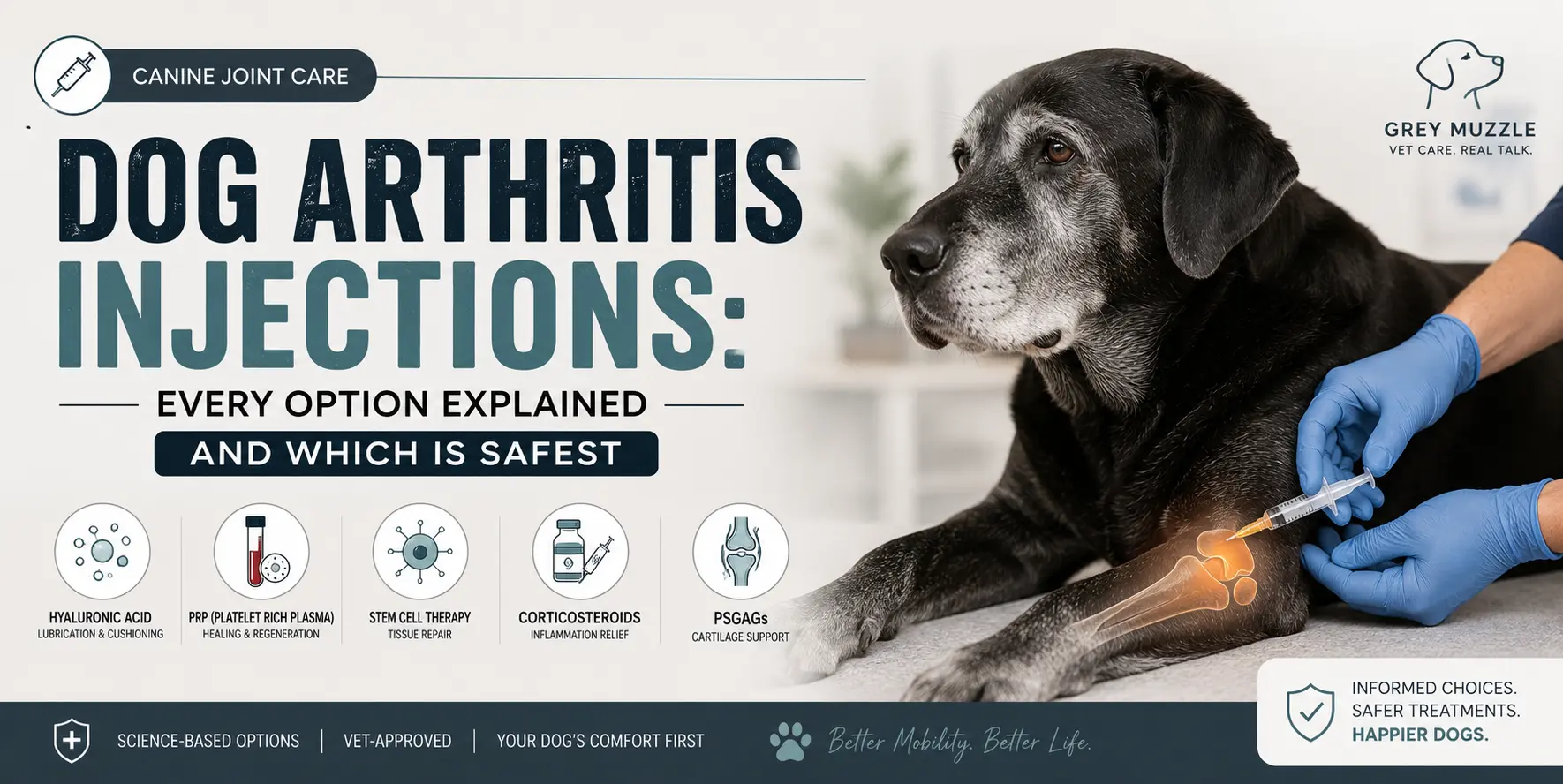
Dog Arthritis Injections: Every Option Explained and Which Is Safest
Confused about dog arthritis injections? Dr. Waleed explains every option — Librela, Adequan, steroids, PRP — what each one does, which is safest, and how to choose.