
My Senior Dog Is Suddenly Limping — A Vet Explains Every Cause and What to Do

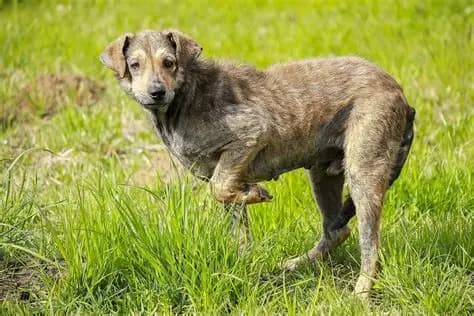
Is your old dog suddenly limping with no obvious injury? Dr. Waleed explains every cause — from torn ligaments to bone cancer — and exactly when to see a vet.
Yesterday your dog walked normally. This morning they are holding a leg up, or putting weight on it gingerly, wincing with every step. There was no obvious accident. No yelp in the night. They just suddenly are not walking right — and you are standing there trying to work out what could possibly have happened while you were not watching.
Sudden limping in a senior dog is one of those moments that demands a decision: do you wait and see, or do you go straight to the vet? I want to help you make that decision well, because the answer genuinely depends on what is causing the limp — and some causes need attention today, while others can reasonably wait a day or two.
In this guide I will walk you through every significant cause of sudden limping in older dogs, how to do a basic at-home check before you call the vet, the red flags that mean you should not wait, and what happens during a proper lameness work-up.
First — How to Tell Sudden Limping From Chronic Stiffness
This matters because the two point in different directions. Chronic stiffness — slow to get up, worse first thing in the morning, gradually improving once moving — is the classic pattern of arthritis, and I have written about that in detail elsewhere on this blog. What we are talking about here is different: a limp that appeared suddenly, often within hours, in a dog who was walking normally the day or even the hour before.
Sudden lameness has its own distinct set of likely causes, and because it is new and often more painful, it deserves a more urgent look than the slow stiffening most owners associate with old age.
Step One — Do a Quick Paw Check Before You Panic
Before assuming something serious, check the obvious. A surprising number of sudden limps in dogs of any age come down to something simple and fixable in the paw itself.
Check between the toes and pads for a thorn, grass seed, splinter, piece of glass, or other foreign object embedded in the skin.
Check the nails for one that is torn, split, or broken below the quick — this is extremely painful and a very common cause of sudden, dramatic limping.
Check the pads for cuts, burns (hot pavement is a real risk), or cracking.
Check between the toes for swelling, redness, or an interdigital cyst — a painful inflamed lump that forms between the toes, more common in certain breeds.
Feel gently along the leg from paw to shoulder or hip, watching your dog's face for any flinch, and feeling for heat, swelling, or an obviously abnormal angle.
If you find a foreign object, a torn nail, or an obvious wound, you have your answer and can address it directly or get it seen promptly. If the paw and leg look completely normal on examination, the cause is likely something deeper — a joint, ligament, muscle, or bone — and that takes us into the categories below.
The Most Common Causes of Sudden Limping in Senior Dogs
Cranial Cruciate Ligament (CCL) Tear or Rupture — the most common serious cause of hind-leg lameness
The cranial cruciate ligament stabilises the knee joint, and in dogs it degenerates gradually with age in a way that is somewhat different from the sudden sports injuries seen in humans. Many senior dogs have a ligament that has been weakening for months without symptoms — then a single awkward jump, a slip, or even just standing up the wrong way is enough to cause a partial or complete tear. This is why a CCL injury often looks "sudden" even though the underlying weakness was building for a long time.
The clue: sudden, often significant lameness in a back leg, frequently with the dog barely touching the toe to the ground or holding the leg up entirely. There may be mild swelling around the knee. Dogs with a CCL tear often sit with that leg held out to the side rather than tucked underneath them. This injury does not generally improve with rest alone — surgical repair is usually recommended, particularly in larger dogs, because an untreated CCL tear leads to progressive arthritis and frequently damages the meniscus (the knee's cartilage cushion) as well.
Soft Tissue Strains and Sprains
Just like in people, dogs can strain a muscle or sprain a ligament from an awkward jump, a fast turn, slipping on a wet floor, or simply overdoing it on a walk. This is more common than owners realise and, reassuringly, usually the least serious cause on this list.
The clue: mild to moderate limping that came on after a specific identifiable activity — a longer walk than usual, rough play, jumping off furniture. The dog is still willing to bear some weight. There is no obvious swelling or deformity. These injuries often improve significantly with rest over 48 to 72 hours. If a limp has not improved at all after two to three days of strict rest, or if it is getting worse, it needs veterinary assessment rather than continued waiting.
Broken or Torn Toenail
A nail torn at or below the quick is intensely painful and causes a dramatic, sudden limp that can look alarming out of proportion to the injury. It is also one of the most common causes of acute lameness across all ages of dog. Check the nails carefully — sometimes the tear is subtle and easy to miss if you are not looking closely.
The clue: very sudden onset, often the dog yelps at the moment it happens if you are present, and there may be a small amount of blood. This is uncomfortable but generally not an emergency unless the bleeding will not stop or the nail bed looks infected — though it is still worth a vet visit for proper trimming and pain relief if the tear is significant.
Bone Cancer (Osteosarcoma)
I know this is the cause every owner fears most, and I want to address it honestly rather than avoid it. Osteosarcoma is a bone cancer that occurs more commonly in large and giant breed senior dogs, and it can present as a sudden-onset limp that does not have an obvious cause. The limp often does not improve with rest, and may worsen progressively over one to two weeks.
The clue: persistent lameness, particularly in a large or giant breed dog, especially if there is localised swelling or firmness over a long bone (commonly near the wrist, shoulder, or knee) that is painful when touched. The pain is often disproportionate to what you would expect from a simple strain. This is exactly why a limp that does not improve within a few days, especially in larger breeds, needs an X-ray rather than continued wait-and-see management. Early diagnosis matters significantly for treatment options and quality of life decisions.
Lyme Disease and Other Tick-Borne Illness
If your dog has had tick exposure, Lyme disease and other tick-borne infections can cause sudden lameness, and a distinctive pattern called shifting-leg lameness, where the limp seems to move from one leg to another over days. According to veterinary sources, this can be accompanied by joint swelling, lethargy, fever, and swollen lymph nodes.
The clue: lameness that shifts between legs, especially combined with general unwellness — lethargy, reduced appetite, or fever. If your dog has had recent tick exposure and develops this pattern, mention it to your vet, who may recommend specific blood testing.
Spinal Pain Radiating to a Limb
Pain originating in the neck or back can sometimes present as limping in a front or back leg, because nerve irritation from a compressed disc or spinal arthritis radiates down the limb. This can be confusing because the leg itself may be completely structurally normal — the problem is further up.
The clue: limping accompanied by reluctance to lower the head, a hunched back posture, or sensitivity when the neck or back is touched. If a leg lameness does not localise clearly to a specific joint on examination, your vet may examine the spine more closely.
Patellar Luxation
This occurs when the kneecap slips out of its normal groove, causing the dog to suddenly skip or hop on the affected leg, often holding it up for a few steps before suddenly walking normally again. While it is more commonly diagnosed in young dogs, especially small breeds, it can become more noticeable or worsen in senior dogs as the joint develops secondary arthritis.
The clue: an intermittent skip-hop pattern rather than constant lameness — the dog may run a few steps normally, suddenly pick up a back leg for a step or two, then put it back down and continue as if nothing happened.
Hip Dysplasia and Arthritis Flare
Although hip dysplasia is usually a chronic, gradual condition, a flare-up can sometimes feel sudden to an owner — particularly after a more strenuous day of activity than the dog is used to, or after a change in weather. The underlying joint instability has likely been present for a long time, but the visible limp seems to appear overnight.
The clue: a dog with a known history of hip or joint issues who has a noticeably worse day after increased activity, cold weather, or a long walk. Rest and anti-inflammatory medication from your vet usually settle a flare reasonably quickly.
The Red Flags — When Sudden Limping Needs Urgent Attention
Go to a vet today — not in a few days — if any of the following apply:
Your dog is completely unable to bear any weight on the leg at all
There is visible swelling, an obvious deformity, or the limb looks at an abnormal angle
The limp followed a significant trauma — a fall, being hit by something, jumping from a height
Your dog is crying out in pain, especially when the leg or back is touched
There is heat, significant swelling, or the dog will not let you touch the area at all
The limp is accompanied by lethargy, fever, or loss of appetite
Your dog is a large or giant breed and the limp has lasted more than a couple of days without improvement
You find a wound, embedded object, or significant bleeding
If none of these apply and the limp is mild, your dog is still willing to gently use the leg, and there is a plausible explanation (an unusually long walk, rough play, an awkward jump), it is reasonable to rest your dog strictly — short toilet breaks on a lead only, no running, no jumping, no stairs — for 48 to 72 hours and monitor closely. If there is no improvement, or it worsens at any point, book a vet appointment.
How a Vet Investigates Sudden Limping
Your vet will start with a thorough orthopaedic examination — watching your dog walk and trot, feeling each joint and bone for pain, heat, swelling, or instability, and specifically testing the cruciate ligaments in the knee with manual manipulation techniques. A lot can be determined from this exam alone in many cases.
X-rays
X-rays show fractures, bone tumours, joint changes consistent with arthritis, and signs of joint instability. They are usually the first imaging step for any persistent or significant limp, particularly in older dogs where bone cancer needs to be ruled out.
Specific orthopaedic tests for CCL injury
Your vet will perform specific manual tests — the cranial drawer test and tibial compression test — to check for instability in the knee that indicates a cruciate ligament tear. These can sometimes be done in a conscious dog but are often more accurate under sedation, since pain and muscle tension can mask the instability in an awake, guarded dog.
Blood tests and tick-borne disease screening
If a tick-borne illness or systemic condition is suspected, blood tests including specific Lyme disease and tick panel testing may be recommended.
Advanced imaging
For complex or unclear cases, particularly where spinal involvement or subtle bone changes are suspected, MRI or CT may be recommended, sometimes with referral to a specialist.
Treatment Options Based on Cause
Strains and sprains typically respond to strict rest, anti-inflammatory pain medication from your vet, and a gradual return to activity over one to two weeks. Torn nails need trimming, cleaning, and pain relief, with antibiotics if infection develops. CCL tears in most dogs, especially medium to large breeds, are best managed surgically — several surgical techniques exist and your vet or an orthopaedic specialist will recommend the most appropriate one based on your dog's size and activity level; smaller dogs sometimes manage with conservative management alone. Lyme disease and tick-borne illness are treated with a course of antibiotics, usually doxycycline, with most dogs improving within days. Bone cancer requires a full diagnostic work-up including biopsy, and treatment options range from amputation and chemotherapy to palliative pain management, depending on the dog's overall health, the tumour location, and the family's wishes — this is always a detailed conversation with your vet about quality of life and goals of care.
What You Can Do at Home While You Wait for the Vet Appointment
Strict rest
This is the single most important thing you can do. No off-lead activity, no jumping on or off furniture, no stairs if avoidable, short lead walks for toileting purposes only. Many minor strains worsen specifically because dogs continue moving around normally between the injury and the vet visit.
Do not give human pain medication
Never give ibuprofen, paracetamol (acetaminophen), aspirin, or any other human pain reliever to your dog without explicit veterinary instruction. Several of these are toxic to dogs even in small doses. Wait for your vet to prescribe an appropriate, dog-safe anti-inflammatory or pain medication.
Ice for the first 24-48 hours if swelling is present
For a suspected strain or sprain with visible swelling, a cold compress wrapped in a towel applied for ten to fifteen minutes a few times a day in the first day or two can help reduce inflammation. Never apply ice directly to the skin.
Keep them comfortable
Provide a supportive, padded resting area and help your dog up and down stairs or into the car if needed, using a support sling if you have one, to avoid further strain while the injury settles.
A Final Word from Dr. Waleed
I understand how unsettling it is to watch your dog suddenly struggling to walk, especially when there was no obvious accident to explain it. Most of the time, the cause turns out to be something manageable — a strain, a torn nail, an arthritis flare. But because some causes genuinely need prompt attention, and because a senior dog's body does not bounce back from injury the way a young dog's does, I would always rather you bring your dog in and find out it was nothing serious than wait at home wondering.
Do the paw check. Watch for the red flags. Rest your dog properly. And when in doubt, make the call. Limping is your dog's way of telling you something hurts — listen to it.
Frequently Asked Questions
My old dog suddenly started limping on a back leg with no injury that I saw — what could this be?
The most likely causes in a senior dog with sudden back-leg limping and no obvious trauma are a cranial cruciate ligament (CCL) tear, a muscle strain, an arthritis flare-up, or — less commonly but importantly to rule out, especially in larger breeds — bone cancer. CCL tears in older dogs often happen because the ligament has been gradually weakening for months, so an ordinary jump or awkward step is enough to cause a sudden, significant limp. If your dog is barely touching the toe to the ground or holding the leg up, book a vet appointment rather than waiting, as this pattern is consistent with a significant ligament injury that usually needs treatment.
How long should I wait before taking my limping senior dog to the vet?
If the limp is mild, your dog is still gently using the leg, and there is an obvious explanation like a longer walk than usual, it is reasonable to rest your dog strictly for 48 to 72 hours and monitor. If there is no improvement after that time, or if the limping worsens at any point, book a vet appointment. However, if your dog cannot bear any weight on the leg at all, is in obvious significant pain, or there is visible swelling or deformity, do not wait — see a vet the same day.
My dog is completely refusing to put weight on one leg — is this an emergency?
This warrants same-day veterinary attention. A dog who is completely non-weight-bearing — holding the leg up entirely rather than limping with partial weight — typically has a more significant injury such as a fracture, a complete cruciate ligament rupture, a dislocation, or significant trauma. This level of lameness is not something to manage with rest and observation at home. Please see a vet today.
Could my senior dog's sudden limp be bone cancer?
It is possible, particularly in large and giant breed dogs, and it is one of the reasons persistent unexplained limping should always be properly investigated rather than assumed to be a simple strain. However, bone cancer is far less common than strains, sprains, and ligament injuries as a cause of sudden limping. The features that raise more concern for bone cancer include limping that does not improve at all with rest, localised swelling or a firm lump over a long bone, and pain that seems disproportionate to what you would expect from a minor injury. An X-ray is the most direct way to investigate this possibility, and getting it done promptly gives you clear answers rather than ongoing worry.
Should I rest my dog or keep them moving if they are limping?
Rest. Strict rest is the correct approach for almost every cause of sudden limping while you are waiting to see a vet or allowing a minor strain to heal. This means short lead walks for toileting only, no running, no jumping on or off furniture, and avoiding stairs where possible. Continuing normal activity on an injured leg often makes the underlying problem worse, whether it is a strain, a partial ligament tear, or early arthritis flare. If your vet diagnoses something needing rehabilitation, like physiotherapy after a CCL injury, that is a structured, controlled form of movement — quite different from your dog continuing their normal exercise routine on an unassessed injury.
Can I give my dog ibuprofen or paracetamol for limping pain while I wait for the vet?
No, please do not. Ibuprofen and other human NSAIDs are toxic to dogs and can cause serious gastrointestinal ulceration and kidney damage even in relatively small doses. Paracetamol (acetaminophen) is also unsafe for dogs without specific veterinary guidance and dosing. There are dog-safe anti-inflammatory and pain medications, but these need to be prescribed by your vet, partly because some conditions — particularly suspected fractures or significant ligament injuries — need to be properly assessed before medication that masks pain is given, as continuing to use a more seriously injured leg because the pain is hidden can cause further damage.
My senior dog's limp seems to move between different legs over a few days — what does that mean?
Limping that shifts from one leg to another, sometimes called shifting-leg lameness, is a distinctive pattern most associated with tick-borne illnesses like Lyme disease, as well as certain immune-mediated joint conditions. If your dog has had recent tick exposure and you notice this pattern, especially alongside lethargy, reduced appetite, fever, or swollen joints, mention this clearly to your vet, as it may prompt specific blood testing for tick-borne disease. This pattern is treatable, usually with a course of antibiotics, and most dogs improve significantly within days of starting appropriate treatment.
My older dog has a torn toenail and is limping badly — do I need to see a vet?
A torn or broken toenail, especially one torn below the quick, is very painful and can cause dramatic limping. If the bleeding is minor and stops within a few minutes with gentle pressure, and your dog seems otherwise comfortable once the immediate pain passes, you can often manage this at home initially by keeping the area clean. However, a vet visit is still worthwhile for proper trimming of any remaining damaged nail, pain relief, and a check for infection — particularly if the bleeding does not stop, the nail bed looks inflamed or is oozing, or your dog continues to be in significant pain after the initial injury.
Ask Dr. Waleed
Worried about your senior dog's sudden limp? Send Dr. Waleed a message — I read every question and answer as many as I can.
Related Posts
🩹 Veterinary Disclaimer
This article is written by Dr. Waleed, DVM for general educational purposes only. It does not constitute a veterinary consultation or diagnosis for your specific pet. Always consult a veterinarian before making health decisions for your dog. If your pet is in distress, contact your vet or emergency animal clinic immediately.
Frequently Asked Questions
My old dog suddenly started limping on a back leg with no injury that I saw — what could this be?
How long should I wait before taking my limping senior dog to the vet?
My dog is completely refusing to put weight on one leg — is this an emergency?
Could my senior dog's sudden limp be bone cancer?
Should I rest my dog or keep them moving if they are limping?
Can I give my dog ibuprofen or paracetamol for limping pain while I wait for the vet?
My senior dog's limp seems to move between different legs over a few days — what does that mean?
My older dog has a torn toenail and is limping badly — do I need to see a vet?
Dr. Waleed, DVM
Veterinarian · Grey Muzzle Squad
A veterinarian with a deep focus on companion animal health. Founded this blog to give pet owners access to real, clinical veterinary knowledge ??? without the guesswork.
Read full bio →Comments
Loading comments...
Leave a Comment
More to Read
View All
Why Is My Dog Stiff After Lying Down? Here's What It Really Means
Your dog looks stiff for the first few steps after resting, then walks fine? A vet explains exactly what this pattern means and when to worry

Why Is My Dog Pacing at Night? Dementia, Anxiety & Other Causes
Is your senior dog pacing, panting or confused at night? Learn about canine dementia, anxiety and restlessness.

Why Is My Dog So Itchy? Causes, Treatment & When to See a Vet
Why Is My Old Dog So Itchy All of a Sudden?

Why Is My Dog Drinking So Much Water? Causes & When to Worry
Is your senior dog suddenly drinking a lot of water? A vet explains kidney disease, diabetes, Cushing's and every other cause

Why Is My Dog Breathing Fast While Resting? Causes & What to Do
Is your dog breathing fast while resting? Learn the possible causes, how to check your dog's breathing rate and when it's an emergency.
Dog Arthritis Injections: Every Option Explained and Which Is Safest
Confused about dog arthritis injections? Dr. Waleed explains every option — Librela, Adequan, steroids, PRP — what each one does, which is safest, and how to choose.