
Diabetes in Senior Dogs: Signs, Treatment and What Life Really Looks Like

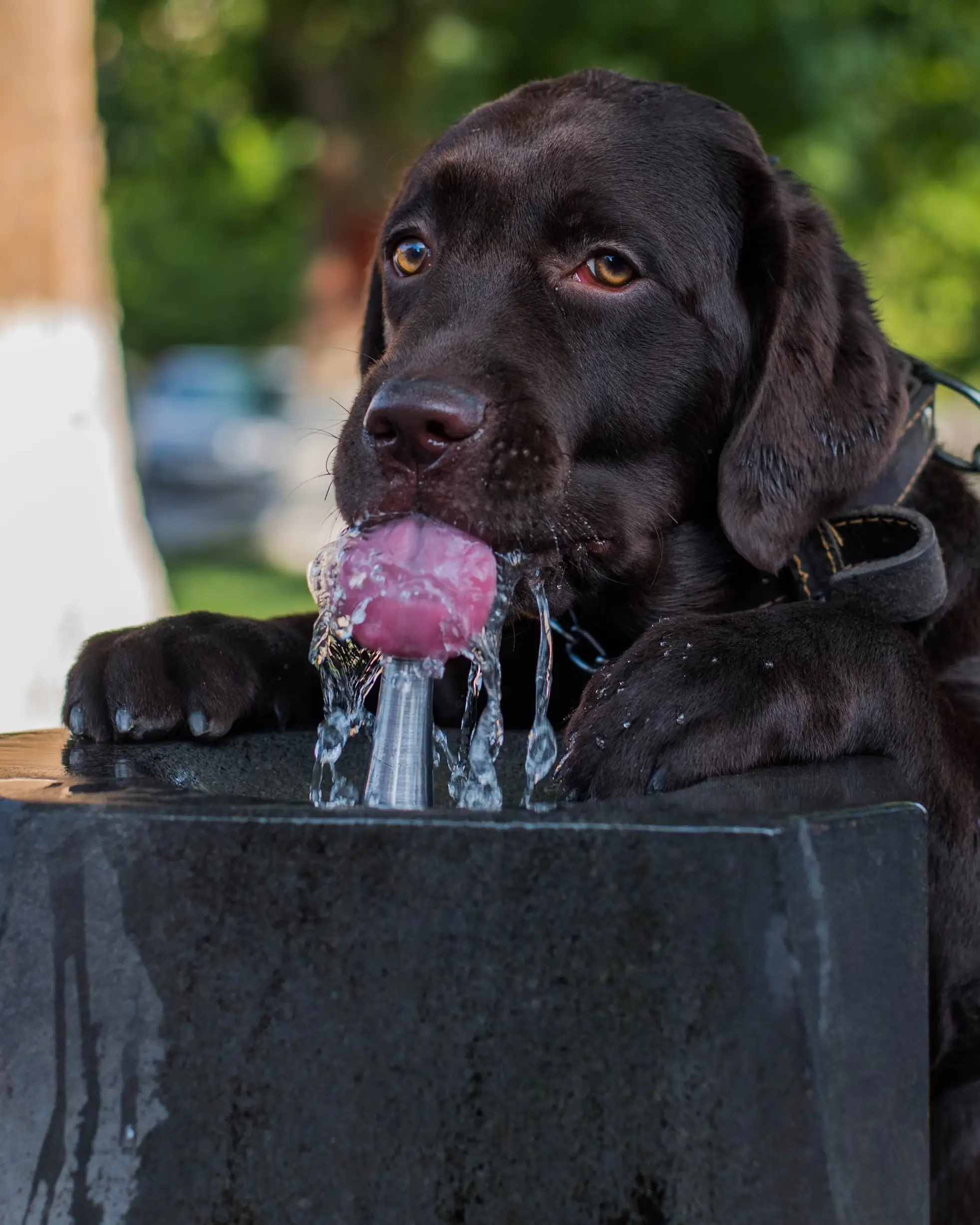
Veterinarian Dr. Waleed explains the early signs of diabetes in senior dogs — excessive thirst, weight loss, cloudy eyes — and exactly what insulin management looks like at home
Your senior dog has been drinking so much water lately. The bowl that used to last the whole day is empty by lunchtime. She is asking to go outside more than usual — including in the middle of the night. She seems hungrier than normal, but somehow she is losing weight.
Something is off. You can feel it.
What you are describing are the four classic early warning signs of diabetes in dogs. And the reason I want you to read this carefully is that diabetes in senior dogs is both more common than most owners realise — and far more manageable than most owners fear.
As a veterinarian, I have seen the difference that early diagnosis makes. A dog caught early, stabilised on the right insulin dose, and managed consistently at home can live a full, comfortable, happy life for years. A dog whose diabetes goes unrecognised for too long faces serious, sometimes irreversible complications.
This guide covers everything you need to know — the signs, the diagnosis, the treatment, and what life actually looks like managing a diabetic senior dog at home.
What Is Diabetes in Dogs?
Diabetes mellitus in dogs is a condition where the body cannot properly regulate blood sugar (glucose) levels. It happens in one of two ways — either the pancreas is not producing enough insulin, or the body's cells are not responding to insulin correctly.
Insulin is the hormone that acts like a key, unlocking cells so that glucose from food can enter and be used as energy. Without functioning insulin, glucose builds up in the bloodstream instead of fuelling the body. The cells starve for energy despite there being plenty of glucose available — which is why diabetic dogs eat more but lose weight.
The excess glucose spills into the urine, dragging large amounts of water with it — which explains the dramatically increased thirst and urination.
Most canine diabetes is similar to Type 1 diabetes in humans — the pancreas stops producing enough insulin, usually due to immune-mediated destruction of the insulin-producing cells. Unlike Type 2 diabetes in humans, canine diabetes almost always requires lifelong insulin therapy.
How Common Is Diabetes in Senior Dogs?
Diabetes can occur at any age, but it is most common in dogs aged 7 to 9 years — squarely in the senior years for most breeds. Certain groups carry significantly higher risk:
Female dogs — unspayed females are twice as likely to develop diabetes as males. This is because the hormone progesterone, which surges during the dioestrus phase of the reproductive cycle, causes insulin resistance. Each heat cycle and each pregnancy increases cumulative risk.
Obese dogs — obesity causes insulin resistance and dramatically increases diabetes risk. It also increases the risk of pancreatitis — inflammation of the pancreas — which is one of the leading causes of diabetes when it occurs repeatedly or severely.
Certain breeds — Samoyeds, Australian Terriers, Miniature Schnauzers, Miniature and Toy Poodles, Pugs, and Bichon Frises have higher genetic predisposition. Cocker Spaniels also carry elevated risk.
Dogs on long-term steroid medication — glucocorticoids like prednisolone cause insulin resistance with prolonged use and can trigger diabetes in susceptible dogs.
Early Signs of Diabetes in Senior Dogs
The four classic signs are easy to remember — vets call them the four Ps:
Polydipsia — Drinking Much More Water Than Usual
This is almost always the first thing owners notice. A dog that used to drink a normal amount is now emptying the bowl repeatedly throughout the day. Some owners describe coming downstairs in the morning to find the bowl bone dry. This happens because excess glucose in the blood pulls water into the urine — the body then signals desperately for more fluid intake to compensate.
Polyuria — Urinating Much More Frequently
Closely linked to increased drinking — large volumes of dilute, glucose-rich urine are produced constantly. Dogs that were reliably house-trained may start having accidents indoors. Night-time trips outside increase dramatically. Some dogs develop urinary tract infections alongside diabetes because glucose-rich urine is an ideal environment for bacteria to grow.
Polyphagia — Increased Hunger Despite Eating Normally
Because the body's cells cannot access glucose for energy, the brain receives constant hunger signals. Diabetic dogs often seem ravenously hungry — finishing their bowl and immediately looking for more — despite eating the same or more than usual. This apparent paradox of eating more but losing weight is one of the most telling combinations of signs.
Weight Loss Despite Normal or Increased Appetite
When cells cannot use glucose, the body breaks down fat and muscle as alternative energy sources. This causes progressive weight loss and muscle wasting even when the dog is eating well. The combination of increased appetite and weight loss together is a strong signal that something metabolic is happening and needs immediate veterinary investigation.
Other Signs That May Develop
Cataracts — Sudden Cloudiness of the Eyes
This is one of the most striking complications of canine diabetes and one that surprises many owners. Excess glucose in the bloodstream alters the fluid inside the lens of the eye, causing the proteins inside to change and cloud. Up to 75% of diabetic dogs develop cataracts within a year of diagnosis — often very rapidly, sometimes over days to weeks.
A dog whose eyes suddenly develop a bluish-white haze, whose vision seems to be deteriorating quickly, or who is bumping into things in low light may be showing a complication of undiagnosed or poorly controlled diabetes. Cataract surgery is possible in dogs and can restore vision — but prevention through early diabetes diagnosis and good control is always better.
Lethargy and Weakness
When cells cannot get the energy they need, the whole body runs on empty. Diabetic dogs often seem more tired than usual, less interested in play or interaction, and generally less like themselves. Hind leg weakness — a sign of diabetic neuropathy affecting the nerves — can develop in poorly controlled cases.
Recurring Infections
Glucose-rich urine and blood create an environment where bacteria thrive. Urinary tract infections, skin infections, and ear infections that keep coming back despite treatment can be a sign of underlying diabetes suppressing the immune system and feeding infectious organisms.
Sweet-smelling Breath
In advanced or poorly controlled diabetes, the body breaks down fat into ketone bodies as an energy alternative. Ketones produce a distinctive sweet or fruity smell on the breath — similar to nail polish remover. This is a sign of diabetic ketoacidosis, a serious complication that requires emergency veterinary treatment.
How Is Diabetes Diagnosed?
Diagnosis requires confirming persistently elevated glucose in both the blood and the urine — not just a one-off reading, as stress can temporarily raise blood glucose in dogs.
Blood glucose measurement — a blood sample shows how much glucose is circulating. Your vet may also measure fructosamine — a marker that reflects average blood glucose over the previous two to three weeks, giving a more reliable picture than a single reading.
Urine analysis — glucose in the urine (glucosuria) alongside ketones confirms the body is struggling to manage blood sugar. The presence of ketones indicates diabetic ketoacidosis — a medical emergency requiring hospitalisation.
Full blood panel — to assess organ function, rule out concurrent conditions like pancreatitis or Cushing's disease, and establish a baseline before starting treatment.
Treatment — What Managing a Diabetic Dog Actually Looks Like
The word "insulin injections" makes many owners panic. I want to reassure you: within a few weeks of diagnosis, most owners give injections so confidently that it becomes as routine as filling a water bowl. Dogs tolerate subcutaneous insulin injections remarkably well — the needles are very fine, and most dogs barely react.
Insulin Therapy
Insulin is the cornerstone of canine diabetes treatment. Pet insulin is different from insulin used in humans — it comes from the pancreas of pigs or cows, and since dog and pork insulin are essentially the same molecule, porcine-based insulins like Vetsulin are typically recommended.
Insulin is given by subcutaneous injection — under the skin, typically at the scruff of the neck or the side of the body — usually twice daily, twelve hours apart, given with or just after meals. Your vet will start at a conservative dose and adjust based on glucose curves — blood glucose measurements taken throughout the day to see how the insulin is working.
The goal is not perfect glucose levels at all times — it is stable, consistent regulation that prevents both dangerously high and dangerously low glucose levels.
Diet — Consistency Is Everything
Diet consistency is as important as the insulin itself. Diabetic dogs must eat the same food, in the same amount, at the same time every day. This predictability allows insulin dosing to be calibrated accurately.
High-fibre diets slow glucose absorption from the gut and help prevent post-meal glucose spikes. Prescription diabetic diets are available from your vet. Avoid high-sugar treats, semi-moist foods, and any food that varies significantly in carbohydrate content between meals.
Meals should be given at the same time as insulin injections — feeding and injecting together anchors the routine and ensures the insulin is working as food-derived glucose enters the bloodstream.
Exercise — Consistency Here Too
Exercise affects how quickly the body uses glucose — which means inconsistent exercise leads to unpredictable glucose levels. Aim for the same amount of gentle exercise at the same time each day. Avoid sudden intense exercise, which can cause dangerous glucose drops.
Monitoring at Home
Your vet will show you how to monitor your dog at home. Signs that glucose is too low (hypoglycaemia) include weakness, wobbling, trembling, confusion, and in severe cases seizures. If you ever see these signs after an insulin injection — offer food immediately and contact your vet.
Home glucose monitoring devices calibrated for dogs are now available and allow owners to track glucose between vet visits. Some owners use continuous glucose monitors — originally designed for humans — with veterinary guidance.
Can Diabetes in Dogs Be Cured?
In most cases, no — canine diabetes requires lifelong management. However there are two important exceptions:
In unspayed females — if diabetes develops during dioestrus (the post-heat phase), spaying can sometimes resolve the diabetes entirely by removing the hormonal trigger. This is why spaying an unspayed diabetic female dog is one of the first things a vet will recommend.
Steroid-induced diabetes — if diabetes developed as a result of long-term steroid medication, reducing or stopping the steroids under veterinary supervision may allow the pancreas to recover function.
What Life Looks Like Managing a Diabetic Senior Dog
I want to be honest with you here — managing a diabetic dog requires commitment. Twice-daily injections, consistent feeding times, regular vet rechecks, and careful observation become part of your daily routine.
But I also want to tell you what I have seen in practice: owners who commit to this routine describe it as genuinely manageable within weeks. The injections become quick and unremarkable. The feeding schedule becomes habit. And the dog they get back — comfortable, energetic, eating well, sleeping through the night — makes every part of the routine feel worthwhile.
Most diabetic dogs respond well to treatment and can live long, active lives when their condition is managed properly and consistently. The dogs whose owners struggle most are those who try to manage inconsistently — skipping doses, varying meal times, or changing food without vet guidance. Consistency is the single most important factor in successful diabetic management.
A Final Word From Dr. Waleed
If your senior dog is drinking excessively, urinating constantly, eating more but losing weight — please do not wait to see if it improves. These signs do not improve on their own. Diabetes that goes undiagnosed progresses to complications that are far harder to manage and far more serious.
Book a vet appointment this week. Ask for blood and urine tests. If the diagnosis is diabetes, take a breath — and know that this is a condition thousands of dog owners manage successfully every single day.
Your dog does not know they are diabetic. They just know whether they feel well or they do not. With the right management, they can feel well — often for years.
Frequently Asked Questions
My old dog is drinking water non-stop and peeing everywhere — could it be diabetes?
Yes — excessive thirst and frequent urination are the two most classic early signs of diabetes in senior dogs. They happen because excess glucose in the blood pulls water into the urine, and the body tries to replace that fluid by drinking more. Do not dismiss this as just old age or the weather. Book a vet appointment this week and ask for blood and urine glucose testing — it is a straightforward test that can give you answers quickly.
My dog is eating more than ever but still losing weight — what is going on?
This combination — increased hunger alongside weight loss — is one of the most telling signs of diabetes in dogs. When the body cannot use glucose for energy due to insufficient insulin, it breaks down fat and muscle as an alternative fuel source. The dog eats more because their cells are starving for energy, but the weight keeps dropping because the energy from food cannot reach where it is needed. See your vet urgently if you notice both of these signs together.
My dog's eyes have gone cloudy very fast — is that diabetes?
Rapidly developing cataracts in a senior dog are strongly associated with diabetes. Excess glucose in the bloodstream alters the fluid inside the eye's lens, causing it to cloud — sometimes very quickly, over days to weeks. If your dog's eyes have developed a sudden bluish-white haze or their vision seems to be deteriorating fast, mention this specifically to your vet and ask for diabetes testing alongside an eye examination.
I am scared of giving my dog injections — is insulin therapy really something I can do at home?
Yes — and almost every owner who goes through this says the same thing: it was far easier than they expected. The needles used for dog insulin are very fine, the injections are given under the loose skin at the scruff of the neck, and most dogs barely notice them. Your vet or vet nurse will show you exactly how to do it and let you practice until you feel confident. Within a week or two, most owners give injections as routinely as filling a food bowl.
Can my female dog's diabetes go away after spaying?
Possibly yes — if the diabetes developed during or after a heat cycle, the hormone progesterone is likely contributing to insulin resistance. Spaying removes this hormonal trigger and in some cases the diabetes resolves entirely or becomes much easier to control. This is one of the reasons vets recommend spaying unspayed female dogs at or around the time of diabetes diagnosis. Discuss this specifically with your vet.
How long can a dog live with diabetes?
With consistent, well-managed treatment, many diabetic dogs live for several years after diagnosis and maintain an excellent quality of life. The dogs who do best are those whose owners commit fully to the twice-daily insulin schedule, consistent feeding times, and regular vet monitoring. The dogs who struggle most are those managed inconsistently. Early diagnosis, before complications like cataracts or neuropathy develop, also significantly improves long-term outcomes.
Have a Question for Dr. Waleed?
Has your senior dog just been diagnosed with diabetes and you are not sure where to start? Or are you seeing signs that worry you and want a vet's perspective? Send me your question on the Ask Dr. Waleed page. I read every message personally and will help guide you through the next steps.
🩹 Veterinary Disclaimer
This article is written by Dr. Waleed, DVM for general educational purposes only. It does not constitute a veterinary consultation or diagnosis for your specific pet. Always consult a veterinarian before making health decisions for your dog. If your pet is in distress, contact your vet or emergency animal clinic immediately.
Frequently Asked Questions
My old dog is drinking water non-stop and peeing everywhere — could it be diabetes?
My dog is eating more than ever but still losing weight — what is going on?
My dog's eyes have gone cloudy very fast — is that diabetes?
I am scared of giving my dog injections — is insulin therapy really something I can do at home?
Can my female dog's diabetes go away after spaying?
How long can a dog live with diabetes?
Dr. Waleed, DVM
Veterinarian · Grey Muzzle Squad
A veterinarian with a deep focus on companion animal health. Founded this blog to give pet owners access to real, clinical veterinary knowledge ??? without the guesswork.
Read full bio →Comments
Loading comments...
Leave a Comment
More to Read
View All
Why Is My Dog Stiff After Lying Down? Here's What It Really Means
Your dog looks stiff for the first few steps after resting, then walks fine? A vet explains exactly what this pattern means and when to worry

Why Is My Dog Pacing at Night? Dementia, Anxiety & Other Causes
Is your senior dog pacing, panting or confused at night? Learn about canine dementia, anxiety and restlessness.

Why Is My Dog So Itchy? Causes, Treatment & When to See a Vet
Why Is My Old Dog So Itchy All of a Sudden?

Why Is My Dog Drinking So Much Water? Causes & When to Worry
Is your senior dog suddenly drinking a lot of water? A vet explains kidney disease, diabetes, Cushing's and every other cause

Why Is My Dog Breathing Fast While Resting? Causes & What to Do
Is your dog breathing fast while resting? Learn the possible causes, how to check your dog's breathing rate and when it's an emergency.
Dog Arthritis Injections: Every Option Explained and Which Is Safest
Confused about dog arthritis injections? Dr. Waleed explains every option — Librela, Adequan, steroids, PRP — what each one does, which is safest, and how to choose.